Puerto Vallarta LGBTQ+ Real Estate Investment: At a Glance
Discover why Puerto Vallarta is a top destination for LGBTQ+ condo investment:
- 🏖 High-Yield Investment: Studios and one-bedrooms deliver 5–7% net ROI; luxury units offer premium pricing with strong seasonal occupancy.
- 📅 Seasonal Advantage: High season Nov–May, with LGBTQ+ peak weeks including Bear Week, Pride, Halloween/Day of the Dead, US Thanksgiving, and Christmas/New Year.
- 📍 Prime Neighborhoods: Romantic Zone walkable condos, hillside ocean-view units, and emerging investment areas offer long-term appreciation.
- 💼 Turnkey Management: Professional property management and revenue optimization technology streamline rental income from day one.
- 🌎 International-Friendly Market: Low entry barriers, bilingual support, and reliable legal structures make cross-border investment seamless.
- 📈 Long-Term Growth: Limited inventory, tourism growth, and consistent capital appreciation support a strong outlook for both lifestyle and income investors.
Use this guide to understand ROI, seasonal strategies, peak event timing, ownership costs, and turnkey investment options in Puerto Vallarta’s LGBTQ+ condo market.
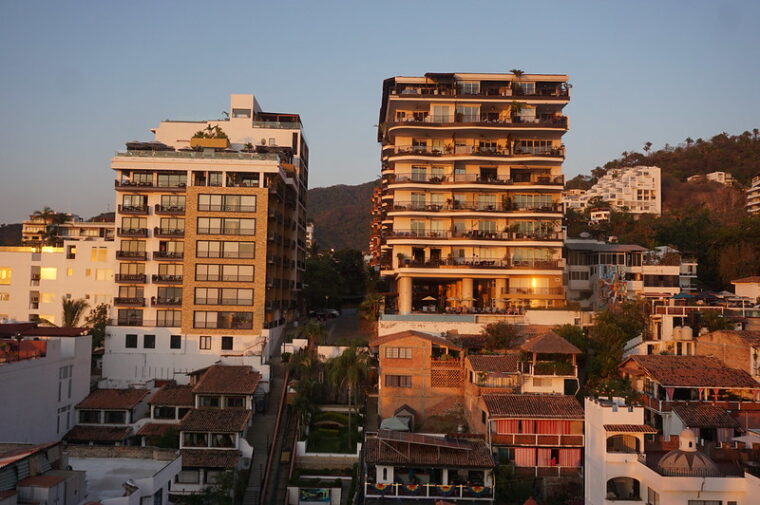
Puerto Vallarta LGBTQ+ Real Estate Investment has evolved beyond traditional vacation home ownership into a data-driven opportunity shaped by tourism demand, rental income performance, and one of the world’s most established LGBTQ+ travel markets. Investors are increasingly drawn to the destination not only for lifestyle appeal, but for consistent seasonal demand, event-driven occupancy spikes, and year-round rental potential.
With strong property appreciation, a predictable high season, and multiple LGBTQ+ peak travel periods, Puerto Vallarta offers a uniquely balanced investment profile that combines personal use, income generation, and long-term growth. This guide breaks down the key metrics, seasonal trends, and strategic considerations buyers should evaluate when investing in LGBTQ+-focused real estate opportunities in Puerto Vallarta.
Why Puerto Vallarta Is a Leading LGBTQ+ Real Estate Investment Destination
Real estate investors are increasingly recognizing Puerto Vallarta as one of the most established LGBTQ+ travel markets in the world, creating consistent demand for vacation rentals and second-home ownership. Unlike destinations that rely on short seasonal tourism windows, Puerto Vallarta benefits from a mature infrastructure of LGBTQ-focused nightlife, events, hospitality, and year-round international visitors. This sustained demand translates into stronger occupancy levels, premium pricing during key travel periods, and long-term appreciation potential for strategically located condominiums.
In addition to lifestyle appeal, the city’s accessibility from North America, growing remote work population, and recurring event calendar contribute to a diversified rental market. These factors allow investors to balance personal use with income generation, making Puerto Vallarta particularly attractive for buyers seeking both enjoyment and financial performance.
Established LGBTQ+ Tourism Infrastructure
Puerto Vallarta has developed one of the most concentrated LGBTQ+ tourism districts in Latin America, centered around walkable neighborhoods with restaurants, beach clubs, and nightlife venues catering to international travelers. This density creates predictable rental demand, especially for condos located within walking distance of entertainment areas. Investors benefit from repeat visitors who often prefer booking familiar neighborhoods year after year, increasing occupancy consistency compared to emerging markets.
International Buyer Demand
Buyers from the United States, Canada, and Europe continue to drive condominium purchases in Puerto Vallarta, drawn by favorable pricing compared to coastal markets such as Palm Springs, Fort Lauderdale, and Sitges. This international demand supports both resale liquidity and appreciation trends, particularly in neighborhoods popular with LGBTQ travelers. The combination of lifestyle desirability and rental income potential makes the market appealing to both first-time foreign buyers and experienced real estate investors.
Lifestyle Appeal Driving Property Ownership
Many investors initially purchase property for personal use, then transition to part-time rental management when not in residence. Puerto Vallarta’s beach access, dining scene, and event calendar make it ideal for this hybrid ownership model. Over time, owners often expand their investment strategy, adding additional units or upgrading to larger condos as rental performance proves reliable. This lifecycle—from lifestyle purchase to revenue-producing asset—continues to fuel demand in the Puerto Vallarta real estate market.
Puerto Vallarta Real Estate Investment Performance Metrics
Understanding the core performance indicators is essential when evaluating real estate opportunities in Puerto Vallarta. Investors typically analyze appreciation trends, rental occupancy, average nightly rates, and gross rental yield to determine both short-term income potential and long-term property value growth. Puerto Vallarta performs strongly across these categories, supported by tourism demand, limited inventory in prime neighborhoods, and a consistent calendar of high-demand travel periods.
While individual results vary based on location, building amenities, and management strategy, the market overall offers a balanced investment profile that combines lifestyle ownership with revenue generation. These metrics also illustrate why Puerto Vallarta is frequently compared to more expensive LGBTQ-focused destinations, yet remains accessible to a broader range of investors.
| Investment Metric |
Typical Range |
Investor Insight |
| Average Property Appreciation |
6% – 8% annually |
Driven by tourism demand and limited inventory |
| Short-Term Rental Occupancy |
54% – 59% |
Higher during winter and LGBTQ event periods |
| Average Daily Rental Rate |
$188 – $213 per night |
Premium pricing during peak travel weeks |
| Gross Rental Yield |
5% – 8% |
Varies by location and management quality |
| Peak Season Occupancy |
75% – 90% |
November through May high season |
| Rental Season Structure |
High + Low + Event Peaks |
Multiple LGBTQ demand spikes increase revenue |
| Entry-Level Condo Price |
$250K – $450K USD |
Lower than comparable global LGBTQ destinations |
| Luxury Condo Price Range |
$600K – $1.5M+ USD |
Strong appreciation in premium zones |
Average Property Appreciation
Property values in Puerto Vallarta have shown steady appreciation, particularly in walkable neighborhoods near beaches, nightlife, and dining districts. Limited buildable land in hillside and oceanfront areas contributes to supply constraints, which can support long-term value growth. New construction projects and infrastructure improvements also continue to attract international buyers, reinforcing upward pricing trends across the condominium market.
Rental Occupancy and Daily Rates
Short-term rental performance in Puerto Vallarta benefits from a defined high season between November and May, combined with shoulder-season demand from remote workers and event-driven travel. Average occupancy levels remain competitive with other coastal destinations, while daily rental rates increase significantly during peak periods such as winter holidays, Pride season, and major LGBTQ travel weeks. Condos located within walking distance of entertainment districts typically achieve the strongest occupancy consistency.
Gross Rental Yield Expectations
Gross rental yields in Puerto Vallarta vary depending on purchase price, condo size, and management approach, but many investors target returns that balance appreciation with rental income. Turnkey furnished units with professional management often achieve higher nightly rates, while owner-managed properties may reduce operating costs. Investors frequently view Puerto Vallarta as a market where moderate entry pricing combined with consistent demand can produce stable long-term returns rather than short, high-risk seasonal gains.
Rental Seasonality and Investment Timing in Puerto Vallarta
Understanding seasonal demand is critical when evaluating rental income potential in Puerto Vallarta. Unlike many resort destinations that rely on a short peak window, Puerto Vallarta benefits from an extended high season, consistent shoulder demand, and multiple event-driven spikes throughout the year. This layered demand structure allows investors to generate revenue across a longer period, reducing vacancy risk and improving overall annual occupancy.
Seasonality also influences pricing strategy. Nightly rates typically increase during peak winter months and major travel weeks, while longer stays and remote work travelers help stabilize occupancy during the summer and early fall. Investors who understand these cycles can better forecast revenue and select properties positioned to benefit from both short-term vacation demand and mid-term extended stays.
High Season: November Through May
Puerto Vallarta’s primary rental season runs from November through May, driven by winter travel from North America and Europe. During this period, occupancy levels are typically strongest, particularly between December and March when demand peaks. Snowbirds, holiday travelers, and event-based tourism contribute to extended stays, often ranging from one week to several months. Condos in walkable neighborhoods near beaches and nightlife typically command premium rates during this high-demand window.
Shoulder and Low Season Rental Strategy
The summer and early fall months, generally June through October, represent the lower season in Puerto Vallarta. While shorter stays may decline, many property owners shift strategy to attract discounted weekly rentals, longer-term digital nomad bookings, and repeat visitors. Furnished condos with strong amenities such as pools, ocean views, and high-speed internet often perform better during this period. This strategy helps maintain occupancy and reduces gaps between high-season bookings.
Snowbird and Extended Stay Demand
One of Puerto Vallarta’s strongest investment advantages is extended-stay demand from seasonal residents, commonly referred to as snowbirds. Many visitors book one- to three-month stays during winter, providing predictable occupancy and reduced turnover costs. These longer bookings minimize cleaning fees, marketing expenses, and vacancy periods, improving net returns. Investors often prioritize properties that appeal to this demographic, including one- and two-bedroom condos with outdoor space, walkability, and proximity to services.
LGBTQ+ Peak Weeks for Puerto Vallarta Vacation Rentals
In addition to the extended high season, Puerto Vallarta benefits from multiple LGBTQ+ peak travel weeks that significantly influence rental demand and pricing. These event-driven periods often generate occupancy levels comparable to holiday travel, with premium nightly rates and shorter booking windows. For investors, understanding these peaks is critical because they can meaningfully increase annual revenue, particularly for well-located condos in walkable entertainment districts.
Unlike destinations with only one or two major events, Puerto Vallarta’s LGBTQ+ calendar is spread throughout the year. This distribution helps smooth occupancy across seasons and provides additional opportunities for higher pricing. Properties that align with these demand spikes—
LGBTQ+ Peak Rental Weeks in Puerto Vallarta
| Event Period |
Typical Timing |
Demand Level |
Investor Impact |
| Bear Week |
Late Jan – Early Feb |
Very High |
Strong winter occupancy and repeat bookings |
| Semana Santa / Easter |
March or April |
Very High |
Premium pricing across all unit sizes |
| Vallarta Pride |
Late May |
Extremely High |
Top ADR week of the year |
| Halloween / Day of the Dead |
Oct 30 – Nov 3 |
High |
Strong shoulder season occupancy |
| US Thanksgiving |
Late November |
High |
Early high-season pricing begins |
| Christmas & New Year |
Dec 20 – Jan 2 |
Extremely High |
Peak annual occupancy and rates |
Winter Event Demand Drivers
The winter months bring some of the strongest LGBTQ+ travel demand, coinciding with the broader high season. Events such as Bear Week and extended winter getaways attract visitors seeking warm-weather escapes, often resulting in high occupancy and longer stays. Many travelers book these periods well in advance, and repeat guests frequently return to the same neighborhoods year after year. Investors benefit from these predictable demand cycles, which help reduce vacancy risk early in the calendar year.
Spring and Pride Season Occupancy
Spring represents another major revenue opportunity, particularly around Pride celebrations and related events. Travel during this period combines strong occupancy with premium pricing, as visitors attend festivals, beach events, and nightlife programming. This timing also overlaps with late-season snowbird demand, creating layered occupancy that can extend peak performance deeper into the calendar. Condos within walking distance of entertainment areas typically command the highest nightly rates during this period.
Holiday and Shoulder Season Revenue Spikes
Even outside the core winter and spring periods, several holiday windows create short but powerful demand spikes. Halloween and Day of the Dead travel, U.S. Thanksgiving, and the Christmas–New Year holiday season all bring increased occupancy and elevated pricing. These shorter high-demand windows can significantly boost annual rental performance, especially for investors using dynamic pricing strategies. By capturing these event-driven spikes, property owners can offset slower summer months and stabilize overall yearly returns.
How Puerto Vallarta Compares to Global LGBTQ+ Real Estate Investment Destinations
When evaluating real estate investment opportunities, comparing destinations helps highlight differences in rental season length, pricing power, and overall return potential. Puerto Vallarta stands out among major LGBTQ+ travel markets because it combines a long high season, multiple event-driven demand spikes, and relatively accessible entry pricing. Many competing destinations command higher property prices or rely on shorter tourism windows, which can limit annual occupancy and rental income consistency.
Markets such as Palm Springs and Fort Lauderdale offer strong winter demand but experience slower summer periods, while European destinations like Sitges and Mykonos rely heavily on a condensed summer season. Meanwhile, Provincetown is known for premium summer pricing but operates within one of the shortest rental seasons. Puerto Vallarta’s extended demand cycle allows investors to balance occupancy and rate growth across a broader portion of the year.
Comparison of Major LGBTQ+ Real Estate Investment Destinations
| Destination |
Peak Season Length |
Avg Occupancy |
Rental Yield |
Entry Price Level |
Investor Takeaway |
| Puerto Vallarta |
Nov – May (6–7 months) |
54% – 59% |
5% – 8% |
Moderate |
Balanced income + long season |
| Palm Springs |
Oct – Apr (5–6 months) |
~46% |
3% – 5% |
High |
Seasonal demand, higher entry cost |
| Fort Lauderdale |
Dec – Apr (4–5 months) |
55% – 65% |
4% – 6% |
High |
Strong winter demand |
| Sitges |
May – Sept (4 months) |
~58% |
3% – 5% |
High |
Short summer season |
| Mykonos |
Jun – Sept (3–4 months) |
~53% |
4% – 7% |
Very High |
Premium but short season |
| Provincetown |
Jun – Sept (3 months) |
High in summer |
3% – 5% |
Very High |
Very short peak window |
Season Length Advantages
One of Puerto Vallarta’s strongest investment advantages is the duration of its rental season. The primary high season runs from November through May, supported by winter travel, snowbirds, and multiple LGBTQ events. This extended window reduces reliance on a single peak period and helps stabilize annual returns. In contrast, many global LGBTQ destinations experience intense demand but only for two to four months.
Entry Price vs Rental Yield
Property prices in Puerto Vallarta often remain lower than comparable coastal LGBTQ markets, allowing investors to enter the market at a more accessible level. When combined with competitive occupancy rates, this pricing structure can improve potential yields. Higher-priced markets may deliver strong nightly rates, but the cost of acquisition can compress returns.
Risk and Return Balance
Puerto Vallarta offers a balanced risk profile by combining tourism demand, international accessibility, and recurring events. Investors benefit from both appreciation potential and rental income stability, rather than relying on short-term seasonal spikes. This diversified demand base is one reason the market continues to attract both lifestyle buyers and income-focused investors.
Best Neighborhoods for LGBTQ+ Condo Investment
Location plays a major role in rental performance, and in Puerto Vallarta certain neighborhoods consistently outperform others due to walkability, views, and proximity to nightlife. Investors targeting LGBTQ+ travelers often prioritize areas where guests can easily access beaches, restaurants, and entertainment without relying on transportation. These factors directly influence occupancy, nightly rates, and repeat bookings.
Neighborhood selection also affects long-term appreciation. Established districts with limited inventory tend to maintain pricing power, while emerging areas may offer lower entry points with future growth potential. Understanding the differences between these zones helps investors balance upfront cost with projected rental income.
Top Puerto Vallarta Neighborhoods for LGBTQ+ Condo Investment
| Neighborhood |
Primary Appeal |
Walkability to LGBTQ Nightlife |
Price Level |
Rental Demand |
Appreciation Potential |
Investor Takeaway |
| Zona Romántica |
Core entertainment district |
Excellent |
High |
Very High |
Strong |
Top rental performance |
| Amapas |
Ocean views + proximity |
Good |
High |
High |
Strong |
Premium view pricing |
| Conchas Chinas |
Luxury hillside |
Moderate |
High |
Moderate |
Strong |
Higher ADR, fewer stays |
| Centro |
Walkable downtown |
Good |
Moderate |
High |
Moderate |
Balanced price and demand |
| 5 de Diciembre |
Emerging walkable area |
Good |
Moderate |
Growing |
High |
Growth opportunity |
| Versalles |
Dining + new development |
Limited |
Moderate |
Growing |
High |
Lower entry price |
| Hotel Zone |
Beachfront condos |
Limited |
Moderate |
Moderate |
Moderate |
Tourism-driven demand |
| Marina Vallarta |
Resort-style living |
Limited |
Moderate |
Seasonal |
Moderate |
Lifestyle-focused buyers |
Walkable Entertainment District Demand
Walkability is one of the most important drivers of rental demand. Areas like Zona Romántica remain among the most sought-after locations for LGBTQ+ travelers due to their proximity to nightlife, dining, and the beach. Condos within walking distance of entertainment venues often command higher nightly rates and maintain stronger occupancy throughout the high season. Guests frequently prioritize convenience, especially for shorter stays and event-driven travel weeks.
Properties in these walkable districts also benefit from repeat bookings. Visitors often return to the same area each year, creating consistent demand that supports stable income projections. Smaller one- and two-bedroom units tend to perform particularly well due to group travel patterns and couples’ vacations.
Hillside Ocean View Premiums
Hillside neighborhoods overlooking the bay, including areas such as Amapas and Conchas Chinas, attract guests willing to pay a premium for views and privacy. These properties may require short taxi rides or uphill walks, but ocean views often justify higher nightly pricing. Many luxury travelers prioritize terraces, sunset views, and resort-style amenities, allowing investors to target a higher-end rental market.
While occupancy may be slightly more seasonal compared to central locations, the increased daily rates can offset fewer booked nights. Investors often evaluate these properties based on revenue per booking rather than total occupancy alone.
Emerging Investment Areas
Emerging neighborhoods provide opportunities for lower entry prices and potential appreciation. Areas such as Versalles and 5 de Diciembre are gaining attention due to new development, improving walkability, and expanding dining scenes. While these zones may not yet command the same premium rates as core entertainment districts, they often attract longer stays and value-oriented travelers.
Investors considering emerging areas typically focus on future growth potential combined with competitive rental pricing. As infrastructure and amenities expand, these neighborhoods may see increased demand, offering both appreciation and rental income upside.
How much does it cost to own a condo in Mexico?
Understanding ownership costs is essential when evaluating rental income potential in Puerto Vallarta. While property prices may appear attractive compared to other coastal destinations, investors should factor in ongoing expenses such as homeowners association fees, property management, maintenance, and taxes. These costs directly influence net returns and help determine whether a property functions primarily as a lifestyle purchase or a revenue-producing investment.
One advantage for buyers in Puerto Vallarta is that several ownership costs remain relatively low compared to U.S. and European resort markets. Property taxes are typically modest, and maintenance costs can be predictable in professionally managed buildings. However, investors using short-term rental strategies must also account for property management fees, utilities, cleaning, and reserve funds for upkeep. Factoring these elements into income projections provides a more accurate picture of expected returns.
When properly structured, many Puerto Vallarta condo investments balance lifestyle use with rental income. Owners who optimize occupancy during peak season and key LGBTQ+ travel weeks often offset a meaningful portion of annual expenses. The combination of moderate carrying costs and strong seasonal demand is one reason the destination continues to attract both first-time international buyers and experienced real estate investors.
Typical Ownership Costs for Puerto Vallarta Condo Investments
| Expense Category |
Typical Range |
Frequency |
Investor Notes |
| HOA Fees |
$150 – $500+ USD |
Monthly |
Varies by amenities and building services |
| Property Taxes (Predial) |
0.05% – 0.12% of value |
Annual |
Lower than most U.S. markets |
| Property Management |
20% – 30% |
Per Booking |
Full-service vacation rental management |
| Cleaning & Turnover |
$50 – $120 |
Per Stay |
Often passed to guest |
| Utilities (Electric, Internet, Water) |
$100 – $300 |
Monthly |
Higher with A/C use |
| Insurance (Individual Policy) |
$300 – $900 |
Annual |
Many buildings require owner coverage |
| Maintenance Reserve |
1% of property value |
Annual |
Recommended for repairs and upgrades |
Example ROI Calculation for a Puerto Vallarta Condo Investment
To understand how ownership costs and seasonal demand translate into potential returns, consider a typical condo investment scenario in Puerto Vallarta. This example uses conservative occupancy and pricing assumptions based on current vacation rental performance patterns. Actual results will vary depending on location, amenities, and management strategy, but the calculation illustrates how investors often evaluate opportunities.
Sample Investment Assumptions
- Purchase Price: $400,000 USD
- Average Daily Rate (ADR): $220 USD
- Average Occupancy: 57% (208 nights per year)
- Gross Annual Rental Revenue: $45,760 USD
Estimated Annual Expenses
- Property Management (25%): $11,440
- HOA Fees ($300/month): $3,600
- Utilities: $2,400
- Insurance: $600
- Property Taxes: $350
- Maintenance Reserve (1%): $4,000
Estimated Total Annual Costs
$22,390 USD
Estimated Net Operating Income
$45,760 – $22,390 = $23,370 USD
Estimated Net Rental Yield
$23,370 ÷ $400,000 = 5.8% Net Annual Return
This example demonstrates how moderate occupancy combined with controlled ownership costs can produce competitive yields. Investors who capture peak travel weeks, optimize pricing, and manage expenses effectively may achieve higher returns. Conversely, lower occupancy or higher management fees can reduce net yield, which is why accurate projections are essential when evaluating individual properties.
This type of ROI analysis helps buyers compare lifestyle purchases with income-focused investments and determine whether a property meets their financial objectives.
Condo Size and Rental Performance
Condo size plays an important role in rental income potential in Puerto Vallarta. Different unit types attract different traveler segments, influencing occupancy rates, nightly pricing, and overall return on investment. Investors often evaluate whether maximizing occupancy or achieving higher nightly rates better aligns with their financial goals. Understanding how studios, one-bedroom units, and larger properties perform helps buyers select the property type that fits their strategy.
While smaller units typically offer lower entry prices and consistent demand, larger condos can benefit from group travel bookings and premium pricing during peak weeks. The optimal choice depends on budget, location, and whether the investor prioritizes steady occupancy or higher revenue per booking.
Estimated Rental Performance by Condo Size
| Unit Type |
Typical Purchase Range |
Avg Nightly Rate |
Avg Occupancy |
Estimated Gross Yield |
Investor Profile |
| Studio |
$250K – $350K |
$140 – $190 |
60% – 68% |
5.5% – 7.5% |
Maximize occupancy |
| One Bedroom |
$325K – $475K |
$180 – $240 |
55% – 62% |
5% – 7% |
Balanced ROI |
| Two Bedroom |
$475K – $750K |
$260 – $360 |
50% – 58% |
4.8% – 6.5% |
Group travel demand |
| Penthouse / Luxury |
$750K+ |
$450 – $900+ |
40% – 52% |
4% – 6% |
Premium ADR strategy |
Studio vs One-Bedroom ROI
Studios often provide one of the lowest entry points for investors and can generate strong occupancy due to affordability and appeal to solo travelers and couples. These units frequently book well throughout the high season and during shorter stays. However, nightly rates are generally lower than one-bedroom units, which can limit total revenue.
One-bedroom condos typically represent a balance between occupancy and pricing. They appeal to couples, extended-stay visitors, and remote workers, making them one of the most versatile rental options. Many investors find that one-bedroom units deliver consistent demand with moderate pricing power, resulting in competitive overall yields.
Two-Bedroom Group Travel Demand
Two-bedroom condos attract group travel, including friends traveling together and couples sharing accommodations. These properties often command higher nightly rates, especially during peak LGBTQ+ travel weeks and holidays. Although occupancy may be slightly lower than smaller units, the increased revenue per booking can offset fewer stays.
Two-bedroom units also perform well for extended stays, particularly among snowbirds and seasonal residents. Investors targeting this segment may benefit from longer bookings and reduced turnover costs, improving operational efficiency and net returns.
Penthouse and Luxury Market Returns
Penthouse and luxury condos appeal to travelers seeking premium experiences, including ocean views, private terraces, and upscale amenities. These properties can achieve significantly higher nightly rates, particularly during high-demand periods. However, they often experience more seasonal occupancy patterns and higher ownership costs.
Investors considering luxury properties typically focus on revenue per booking rather than overall occupancy. While fewer bookings may occur, premium pricing during peak travel weeks can generate strong annual performance when combined with strategic marketing and professional management.
Financing and Buying Considerations for International Investors
For many buyers considering property in Puerto Vallarta, financing and purchase structure are key factors in determining overall return on investment. Unlike some domestic real estate markets, international purchases often involve different lending options, closing costs, and ownership structures. Understanding these elements helps investors accurately evaluate cash requirements and long-term financial performance.
Many foreign buyers purchase property in Puerto Vallarta using cash, particularly for vacation rental investments. Cash purchases simplify transactions, strengthen negotiating leverage, and eliminate financing costs that could reduce net yield. However, financing options do exist through cross-border lenders, developer financing, and home equity borrowing in the buyer’s home country. Each approach affects both upfront capital requirements and projected returns.
Cash Purchases vs Financing
Cash purchases remain common among international buyers because they simplify the transaction and avoid interest expenses. Investors paying cash can focus solely on rental performance and appreciation. Financing, while less common, can improve leverage and allow buyers to acquire higher-value properties. However, interest rates and lending requirements vary widely, which may impact overall yield.
Some buyers choose to leverage equity from properties in their home country. This approach can provide lower borrowing costs and more flexible terms compared to local financing. Investors should compare financing costs against expected rental income to determine whether leverage improves or reduces net returns.
Closing Costs and Legal Structure
Closing costs in Puerto Vallarta typically range between 4% and 6% of the purchase price. These costs may include notary fees, acquisition tax, legal services, and trust setup when required. Investors should include these expenses in ROI calculations, as they affect total capital deployed.
Foreign buyers purchasing within coastal restricted zones commonly use a bank trust structure. This arrangement allows non-Mexican buyers to hold property rights while maintaining full control of the asset. Annual trust fees are generally modest and should be factored into long-term ownership costs.
Rental Regulations and Compliance
Short-term rental regulations can vary by municipality and condominium association. Investors should confirm whether vacation rentals are permitted within a specific building and review HOA rules. Some associations impose limits on minimum stay requirements or operational guidelines.
Compliance considerations may also include local tax reporting, rental platform obligations, and management agreements. Working with experienced property managers or legal advisors can help investors navigate these requirements and maintain smooth rental operations.
Turnkey Investment and Property Management Strategy
Many buyers entering the real estate market in Puerto Vallarta are increasingly focused on turnkey investment opportunities. These properties are fully furnished, professionally photographed, and ready to begin generating rental income shortly after closing. Turnkey investments appeal to international buyers who may not live locally but still want to capitalize on the area’s strong vacation rental demand.
Property management strategy plays a major role in determining actual returns. Investors must decide whether to self-manage bookings and guest communication or partner with a full-service management company. Each approach affects occupancy, operational workload, and overall profitability. Understanding these options helps buyers align their investment with their level of involvement and desired income structure.
Self-Managed vs Full-Service Rental
Self-managed properties allow owners to retain a larger portion of rental revenue. Owners handle listing setup, guest communication, pricing adjustments, cleaning coordination, and maintenance oversight. While this approach may increase gross profit, it also requires time, local support, and operational experience.
Full-service property management companies handle marketing, bookings, guest services, housekeeping coordination, and maintenance. These services typically cost between 20% and 30% of rental revenue. Although this reduces gross income, professional management often improves occupancy, guest reviews, and pricing optimization. Many international investors prefer this option because it simplifies operations and creates a more passive income model.
Revenue Optimization Technology
Modern vacation rental management increasingly relies on dynamic pricing tools and occupancy analytics. These systems adjust nightly rates based on seasonality, demand spikes, and local event calendars. Properties using revenue optimization technology often achieve stronger performance during peak travel periods and improved occupancy during slower months.
Technology also supports automated guest communication, booking synchronization across platforms, and performance reporting. Investors benefit from real-time insights into occupancy, revenue trends, and operational costs. These tools help refine pricing strategies and improve overall rental performance.
From Purchase to Rental Income
Turnkey investment strategies focus on minimizing the time between purchase and revenue generation. Buyers often prioritize furnished units in buildings that allow short-term rentals and offer amenities attractive to vacation travelers. Once the purchase closes, professional photography, listing setup, and pricing configuration can allow bookings to begin quickly.
Investors who plan ahead by selecting the right location, furnishing style, and management structure often transition from purchase to rental income within a short timeframe. This streamlined process is one reason turnkey condo investments remain popular among buyers seeking both lifestyle use and income potential.
Who Benefits Most from LGBTQ+ Real Estate Investment in Puerto Vallarta
Investors considering Puerto Vallarta as a destination for condo purchases and vacation rentals span a range of experience levels and objectives. Understanding which buyer profiles benefit most helps tailor strategies, anticipate returns, and make informed investment decisions.
Puerto Vallarta’s combination of strong LGBTQ+ tourism, reliable short-term rental demand, and moderate ownership costs makes it particularly attractive for a variety of investor types.
Investor Profiles and Condo ROI Potential
| Investor Profile |
Recommended Unit Type |
Expected Net Yield |
Seasonal Advantage |
Key Notes |
| First-Time International Buyer |
Studio / One-Bedroom |
5% – 7% |
High Season & LGBTQ+ Peak Weeks |
Low entry price, manageable size, turnkey options simplify ownership |
| Vacation Home Owner Seeking ROI |
One-Bedroom / Two-Bedroom |
5% – 7.5% |
Pride, Bear Week, Semana Santa, Holidays |
Balance personal use with rental income; benefit from peak event demand |
| Portfolio Investor |
Mixed Unit Sizes (Studio to Penthouse) |
4.8% – 7.5% |
Year-round, leveraging high-demand events |
Diversify across neighborhoods, unit types, and seasons; optimize with professional management |
First-Time International Buyers
First-time international buyers often look for a mix of lifestyle and income potential. Condos in walkable entertainment districts or near LGBTQ+ hotspots offer both personal enjoyment and revenue opportunities. Professional management services and turnkey units make entry into the market simpler, reducing the complexity of cross-border ownership.
For these buyers, Puerto Vallarta’s moderate prices, predictable HOA fees, and strong high-season demand help mitigate risk while allowing them to test the vacation rental model. Additionally, bilingual support and accessible legal frameworks make the market approachable for non-Mexican investors.
Vacation Home Owners Seeking ROI
Buyers who already own vacation properties may see Puerto Vallarta as an opportunity to convert lifestyle assets into income-producing investments. By focusing on turnkey properties, these owners can offset annual expenses, generate passive income, and leverage high-demand periods such as LGBTQ+ peak weeks, Pride, Bear Week, and other high-occupancy seasons.
Strategic management and marketing of the property ensure that even owners using their condo for personal stays can capture rental income during periods they are not using the unit.
Portfolio Investors
Experienced investors building rental portfolios benefit from Puerto Vallarta’s combination of strong occupancy, reliable seasonal demand, and capital appreciation trends. Multi-unit purchases allow portfolio diversification across neighborhoods, unit sizes, and price points, while professional property management and revenue optimization technology reduce operational complexity.
For portfolio investors, the ability to compare ROI across different unit types and locations, coupled with data on LGBTQ+ travel patterns and seasonal peaks, supports data-driven acquisition decisions that maximize long-term returns.
The Long-Term Outlook for Puerto Vallarta LGBTQ+ Real Estate Investment
Puerto Vallarta continues to be one of the most resilient and attractive real estate markets for LGBTQ+ investors. Its combination of steady tourism growth, strong seasonal demand, and limited prime inventory creates a compelling environment for both lifestyle and income-focused buyers. Understanding the long-term dynamics helps investors make informed decisions and position their properties for maximum returns.
Tourism Growth and Demand Stability
Puerto Vallarta’s tourism sector has consistently expanded over the past decade, driven by international travel, LGBTQ+ events, and repeat visitors. Gay-focused events such as Pride, Bear Week, and other LGBTQ+ celebrations attract high-spending travelers and create predictable spikes in occupancy. This reliable demand underpins rental performance, giving investors confidence in consistent revenue streams throughout the year.
Additionally, the city benefits from a strong reputation as an LGBTQ+-friendly destination with world-class amenities, walkable entertainment districts, and beautiful coastal neighborhoods. This reputation supports ongoing growth in rental demand and contributes to higher occupancy rates compared to less established markets.
Limited Inventory in Prime Areas
Inventory in Puerto Vallarta’s most desirable neighborhoods — particularly walkable zones in the Romantic Zone, ocean-view hillside developments, and luxury high-rises — remains constrained. Limited supply of well-located condos with short-term rental permissions creates a competitive environment for buyers. Properties in these prime areas typically command premium pricing but also offer strong long-term appreciation potential.
Scarcity of high-quality inventory reinforces the investment case for early acquisition. Buyers who secure units in sought-after locations benefit not only from rental income but also from potential long-term capital gains as demand continues to outpace supply.
Future Appreciation Potential
Puerto Vallarta’s real estate market has experienced steady appreciation over the past several years. Forecasts indicate continued moderate to strong growth, driven by increasing foreign interest, infrastructure improvements, and sustained tourism popularity. Properties purchased today in high-demand areas, especially those optimized for turnkey vacation rental use, are likely to benefit from both rental income and capital appreciation.
Investors who align purchase timing with market trends, leverage professional property management, and capitalize on high-demand periods — including LGBTQ+ peak weeks — can maximize returns and build a diversified, resilient real estate portfolio in one of Latin America’s top coastal destinations.
FAQs: Puerto Vallarta LGBTQ+ Real Estate Investment
1. What condo size offers the best ROI in Puerto Vallarta?
Studios and one-bedroom units typically provide strong occupancy and moderate nightly rates, making them ideal for first-time buyers. Two-bedroom condos attract groups and generate higher per-booking revenue. Luxury units offer premium pricing but slightly lower occupancy.
2. When is the peak rental season in Puerto Vallarta?
High season runs from November through May, with occupancy spikes during LGBTQ+ peak weeks, winter holidays, and US spring break periods. Low season is June through October.
3. Which LGBTQ+ events drive the most rental demand?
Key weeks include Bear Week (late Jan – early Feb), Vallarta Pride (week before US Memorial Day), Semana Santa (Easter), Halloween & Day of the Dead (Oct 30 – Nov 3), US Thanksgiving (Wed – Mon), and Christmas/New Year (Dec 20 – Jan 2).
4. How much are HOA fees, property taxes, and insurance?
HOA fees average $100 – $350 USD/month depending on amenities. Property taxes are typically 0.1% – 0.3% of the assessed value annually. Insurance may be included in HOA or purchased separately; luxury buildings often require individual coverage.
5. What financing options exist for international buyers?
Most buyers purchase with cash. Financing is available via cross-border lenders, developer financing, or home equity from your country. Each option affects ROI, cash flow, and purchase strategy.
6. Should I self-manage or use full-service property management?
Self-management maximizes revenue but requires time and local support. Full-service management (20–30% of revenue) handles bookings, guest services, maintenance, and pricing optimization, reducing operational stress and improving occupancy.
7. Which neighborhoods are best for LGBTQ+ condo investment?
Top areas include the Romantic Zone (walkable, vibrant nightlife), hillsides with ocean views (premium pricing), and emerging zones like Emiliano Zapata for value-focused investment.
8. How is Puerto Vallarta’s long-term appreciation potential?
Limited inventory in prime areas, strong tourism growth, and increasing international demand support consistent property value appreciation, especially in high-demand neighborhoods.
9. How do professional management and technology affect ROI?
Revenue optimization tools, dynamic pricing, and professional management can increase occupancy, capture peak-week demand, and improve gross and net returns for turnkey investments.
10. How does Puerto Vallarta compare to other LGBTQ+ destinations?
Compared to destinations like Mykonos, Ibiza, Palm Springs, Provincetown, and Sitges, PV offers longer high season, strong LGBTQ+ event calendar, lower entry prices, and competitive rental yields.
11. Should I focus on short-term vs long-term rentals?
Short-term rentals capture premium pricing during peak events and high season. Long-term rentals may provide stable occupancy but lower nightly rates. Many investors use a hybrid approach based on seasonality.
12. What tips maximize occupancy and rental revenue?
Choose the right unit type and location, align pricing with peak weeks, use professional photography and management, and leverage dynamic pricing tools. Turnkey condos allow immediate revenue generation and reduced operational hassle.