UPDATE (September 17 2026): Confirmed
What the GAYPV article predicted last November 2025 has now been confirmed. On September 17, 2026, Jalisco Governor Pablo Lemus Navarro announced that the federal government has officially selected Puerto Vallarta as Mexico’s next cruise home port — beating out competing bids from Mazatlán, Los Cabos, and the Nayarit coast, exactly as this piece forecast back in November 2025.
Construction is set to begin in 2027, with home-port operations targeted to launch in 2029. The designation is expected to generate up to two additional hotel nights per passenger and marks the first Mexican home-port project of this scale in more than three decades. Read on for the original analysis that called this outcome months in advance.
Puerto Vallarta Cruise Terminal Eyes Being First Mexican Home Port: How the Cruise Expansion Could Boost LGBTQ+ Tourism
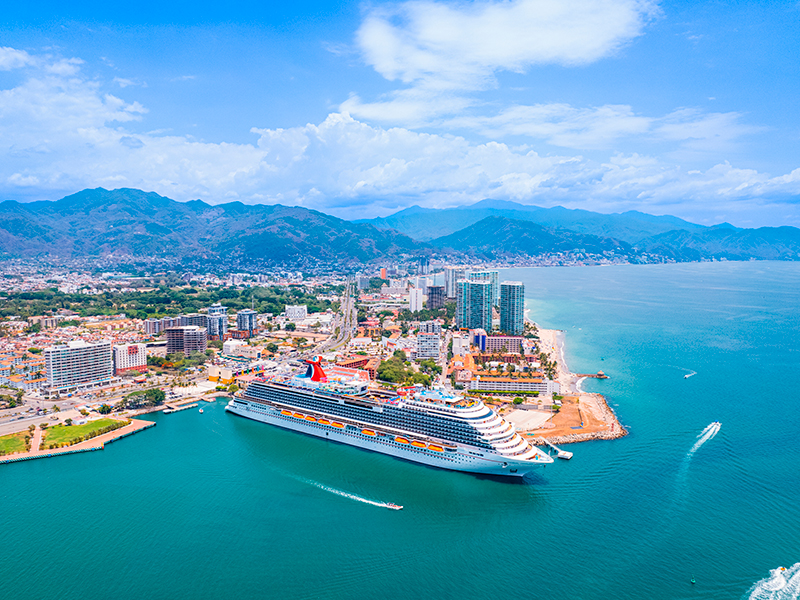
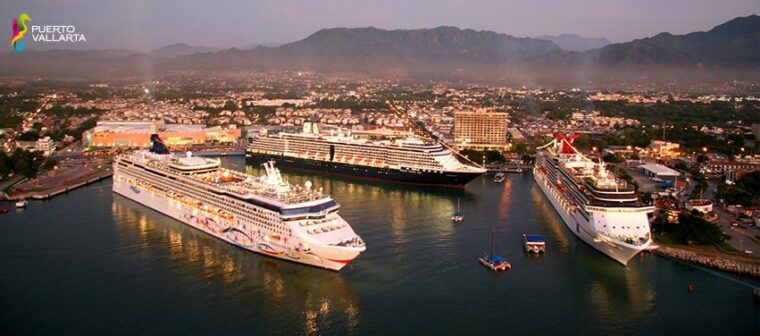
Puerto Vallarta Cruise Terminal eyes being first Mexican Home Port, a designation that would allow international cruise lines to use the city as a base for round-trip cruises. This goal is backed by a massive, federally supported infrastructure program through ASIPONA Puerto Vallarta, alongside record-breaking investments in the city’s air travel capacity.
This race has quickly become a Pacific showdown between Puerto Vallarta and Mazatlán, both vying for the approval that would usher in a new era of cruise tourism and economic growth for their regions. For Puerto Vallarta, however, the implications go beyond maritime strategy—it could further strengthen the city’s position as Mexico’s leading LGBTQ+ tourism destination, enhancing its appeal to travelers who already see Vallarta as the country’s most inclusive coastal city.
Mexico’s Cruise Boom: Setting the Stage
Mexico remains one of the world’s top cruise destinations, with both its Caribbean and Pacific coasts drawing millions of passengers annually. According to SECTUR (Secretaría de Turismo), Mexican ports received more than 5.6 million cruise passengers in the first half of 2025, representing an 8.4% year-over-year increase, proof that the country’s cruise sector continues to thrive.
This growth is strategically important for the federal government, which continues to emphasize cooperation with international cruise lines through agencies like FONATUR and ASIPONA Nacional, signaling long-term commitment to strengthening Mexico’s role in the global cruise market.
For Puerto Vallarta, this national trend is a springboard. Its proven record as a top five cruise port in Mexico, combined with its powerful brand identity as Mexico’s #1 LGBTQ+ beach destination, positions the city uniquely to merge two thriving industries—cruise travel and LGBTQ+ tourism.
Puerto Vallarta: A Proven Cruise Port and Global LGBTQ+ Magnet
Puerto Vallarta already serves as a cornerstone of the Mexican Riviera cruise route, with frequent stops by Carnival, Princess, Royal Caribbean, and Norwegian. Its reliable operations, vibrant tourism infrastructure, and world-class hospitality make it a natural candidate for full Home Port functionality.
In 2024, the port welcomed 548,000 cruise visitors, generating an estimated economic impact of $909.9 million pesos (source: ASIPONA Puerto Vallarta). Beyond the numbers, Vallarta’s atmosphere is what differentiates it from other contenders—its safe, inclusive environment has made it one of the most internationally recognized destinations for LGBTQ+ travelers.
GAYPV has documented in countless events and seasonal coverage, Puerto Vallarta’s LGBTQ+ presence—especially in the Romantic Zone and along Los Muertos Beach—has helped shape its reputation as one of the most welcoming gay cities in Latin America. A Home Port designation would bring in new waves of international visitors, many of whom belong to the growing segment of LGBTQ+ cruise travelers, a niche that has exploded globally through companies like Atlantis Events and VACAYA Cruises.
Infrastructure Investment: The “Done Deal” Indicator
Puerto Vallarta’s quiet confidence in its Home Port bid is evident in its infrastructure expansion.
Airport Expansion: The ongoing $9.2 billion peso modernization of Puerto Vallarta International Airport (PVR) will double passenger capacity by 2027 (source: Grupo Aeroportuario del Pacífico). This investment anticipates the surge in international air traffic expected when cruise passengers fly into Vallarta to start or end their voyages.
Port Development: Simultaneously, ASIPONA Puerto Vallarta is advancing a multi-year plan to expand berthing capacity across its three docks. The upgrades aim to handle the next generation of 360-meter mega cruise ships, directly aligning with Home Port specifications. The improvements build upon the modern Puerto Mágico Cruise Terminal, which already features upgraded customs facilities, retail areas, and passenger lounges designed for international embarkations.
Together, these investments represent a synchronized strategy between air and sea operations—an essential requirement for Home Port status and a clear sign that Puerto Vallarta is already preparing to win.
Together, these investments represent a synchronized strategy between air and sea operations—an essential requirement for Home Port status and a clear sign that Puerto Vallarta is already preparing to win. The broader infrastructure modernization effort also aligns closely with objectives outlined in the Jalisco Tourism Development Program 2030, which positions Puerto Vallarta as a major driver of the state’s long-term international tourism growth strategy.
Mazatlán’s Competing Bid Nowhere Near The Puerto Vallarta Level
Mazatlán has submitted a conceptual proposal to FONATUR for a $400–450 million peso renovation of its maritime terminal. The plan includes souvenir shops, tourism offices, and recreation areas aimed at improving passenger experience (source: El Sol de Mazatlán).
The Government of Sinaloa, led by tourism secretary Mireya Sosa Osuna, has promoted the Home Port concept as a transformative project that could attract more international cruise lines and increase hotel occupancy. Mazatlán’s proposed routes include a Gulf of California circuit and a Pacific coast route—both of which list Puerto Vallarta as a Port of Call, acknowledging Vallarta’s importance within any national cruise framework.
However, while Mazatlán’s vision remains largely conceptual, Puerto Vallarta’s investments are tangible, funded, and underway, providing a compelling case for immediate readiness.
Air Connectivity: The Deciding Factor
Cruise Home Ports rely heavily on air connectivity—passengers must be able to fly in, board, and disembark efficiently. While Mazatlán International Airport (MZT) is receiving around 400 million pesos in upgrades to double its terminal capacity, Vallarta’s investment is more than twenty times higher.
Major airlines are already increasing frequencies into PVR, reflecting confidence that Vallarta will emerge as the central hub of Mexico’s Pacific cruise network.
Federal Coordination and Local Readiness
The Secretaría de Turismo de México (SECTUR) and ASIPONA Nacional are jointly evaluating both port proposals. According to federal tourism sources cited by El Financiero, the winning city will set a new standard for cruise operations in Mexico, introducing specialized embarkation terminals and extended tourist stays before and after voyages.
Puerto Vallarta’s existing integration between airport, cruise terminal, and hotel zones provides a unique logistical advantage—something no other Mexican port currently offers at scale.
Why This Matters for LGBTQ+ Tourism
A Home Port designation would mark a defining moment for Puerto Vallarta’s LGBTQ+ tourism economy. The arrival of Home Port cruises would bring longer stays, higher spending, and greater visibility for local gay businesses, particularly in the Romantic Zone, the heart of Vallarta’s LGBTQ+ nightlife and hospitality scene.
Cruise-based visitors frequently extend their trips, exploring local restaurants, bars, cabarets, and wellness retreats. Many of Vallarta’s most successful businesses—like The Pool Club PV at Casa Cupula, Mantamar Beach Club, STUDS Bear Bar and numerous boutique hotels—stand to benefit directly from the influx of cruise passengers who discover the city’s inclusive spirit and decide to stay longer or return later.
In a tourism landscape where inclusivity increasingly defines destination appeal
Puerto Vallarta’s Advantage: Infrastructure Meets Identity
, Puerto Vallarta’s established LGBTQ+ reputation could give it the decisive edge. The fusion of maritime infrastructure with inclusive urban identity sets a new global standard: a Home Port that’s both a cruise hub and a safe haven for LGBTQ+ travelers.
While Mazatlán promotes its potential, Puerto Vallarta demonstrates execution. The combination of federal coordination, completed projects, and its robust international image makes it the more logical choice.
With its expanding airport, modern port facilities, and well-established LGBTQ+ tourism ecosystem, Puerto Vallarta is not just ready to be Mexico’s first Home Port—it is ready to redefine what a Home Port means.
Additional Mentions:
Data and context referenced from SECTUR, ASIPONA Puerto Vallarta, El Sol de Mazatlán, Grupo Aeroportuario del Pacífico, El Financiero, and FONATUR.
For more Puerto Vallarta LGBTQ+ tourism news visit the GAYPV website here.

Author: Tim Wilson
Wilson is the founder of GAYPV.com and www.gaybartour.com and has been the leading LGBTQ+ travel and lifestyle authority in Puerto Vallarta since 2005. With over two decades of local expertise, Wilson specializes in being a community advocate and leader for Puerto Vallarta , and local cultural insights that only a long-term resident can provide. He has dedicated 20+ years to advocating for safe, inclusive travel in Banderas Bay, establishing GAYPV as the region's most trusted resident insider.. His work has been cited by major travel publications, and he is widely recognized as a trusted insider voice on Puerto Vallarta’s vibrant LGBTQ+ scene.