📋 FL ND: Q1 2026 Safety Perceptions Summary
- 🛡️
CORE RATING: Foreign residents score daily safety in Mexico at 88/100. - 📍
PV RELEVANCE: Puerto Vallarta and Jalisco ranked as top-tier data sources for this index. - ⚖️
COMPARISON: Residents feel significantly safer in Mexico than in their previous US/Canadian cities. - 🚫
CRIME STATS: 80%+ of respondents reported zero criminal incidents in the last 12 months. - 🔗
SOURCE: Data provided by Mexico News Daily (ESPI™ Report).
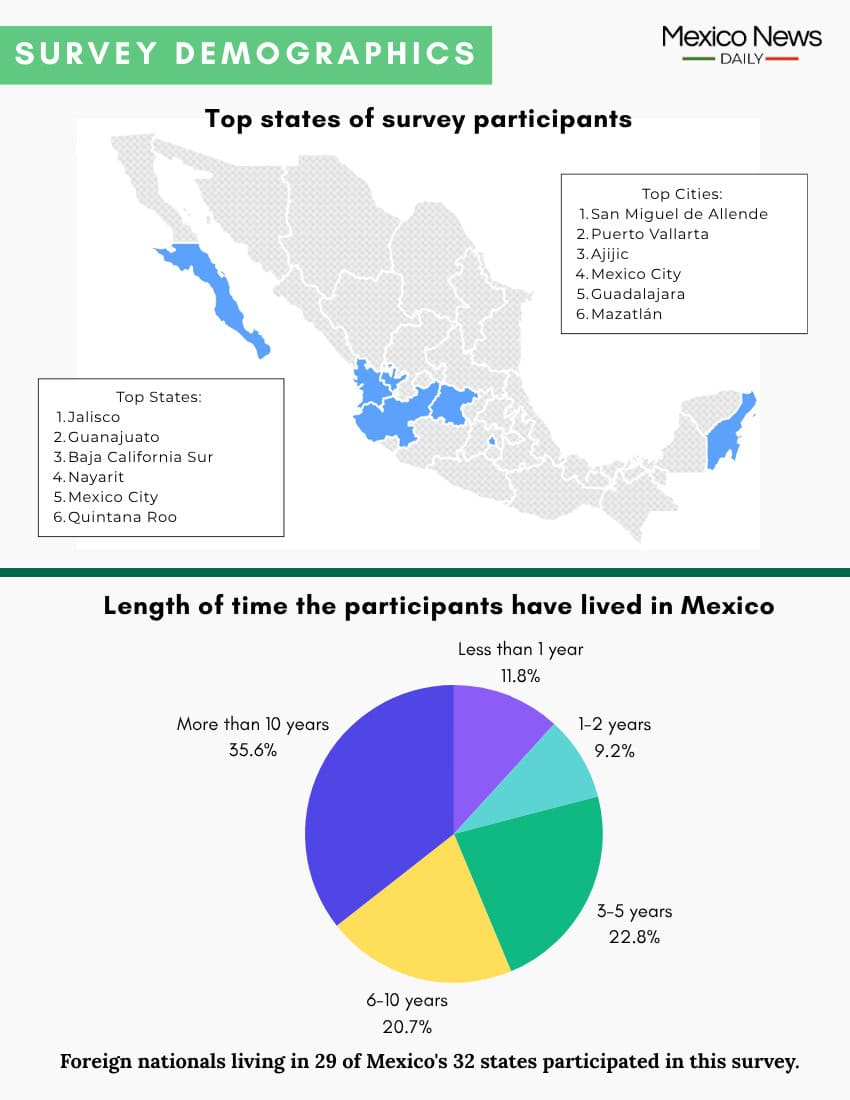
Table of Contents
- 1 The Reality of Safety in Mexico
- 2 Why Puerto Vallarta Leads the Safety Index
- 3 The Data vs. The Drama: Measuring Real-World Safety
- 4 Safer Than Home? The Expat Perspective
- 5 The “Media Gap”: Why News Reports Often Get It Wrong
- 6 Understanding the Risks: What Crimes Actually Occur?
- 7 Safety FAQ: Puerto Vallarta 2026
The Reality of Safety in Mexico
For years, a massive “perception gap” has existed between the scary headlines seen on international news and the actual daily lives of those living in Mexico. Travelers planning a trip to Puerto Vallarta often face a barrage of warnings from friends and family back home, fueled by sensationalized media reports. But how do the people who actually live here feel?
A landmark study recently released by Mexico News Daily—the Expat Safety Perceptions Index (MND ESPI™)—finally provides the forensic data to answer that question. Surveying over 700 foreign residents across 29 states, the study moves past hearsay and provides a statistical look at “street-level” safety.
The findings are a game-changer for anyone on the fence about visiting: long-term residents, primarily from the U.S. and Canada, reported a personal safety score of nearly 89 out of 100. Perhaps most surprisingly, the data reveals that these residents generally feel safer in their Mexican communities than they did in the cities they left behind in their home countries.
Puerto Vallarta was one of the top two cities represented in the study. The results offer a powerful, evidence-based rebuttal to the “media myth” of danger in Mexico. Below, we break down the key takeaways from this inaugural report and what they mean for the safety of our local community and visitors alike.
Why Puerto Vallarta Leads the Safety Index
While the MND ESPI™ provides a national snapshot, its findings are particularly relevant to our local community. Puerto Vallarta was explicitly named as one of the top two cities for survey respondents, alongside San Miguel de Allende. Furthermore, Jalisco and Nayarit—the two states that share the Banderas Bay coastline—both ranked in the Top 6 states for the entire study.
What does this mean for you? It means that the high safety scores we see in this report are not just a general “Mexico average”—they are a direct reflection of the environment here in Puerto Vallarta. Because PV provided such a large portion of the data, the national safety score of 88.97 is heavily weighted by the positive, secure experiences of residents living in the Zona Romántica, Marina Vallarta, and the surrounding neighborhoods.
This data confirms what we see every day on the ground: Puerto Vallarta continues to be a leading destination for safety because of its deeply integrated expat community and its welcoming culture. When long-term residents say they feel safer here than they did back home, they are talking about the same boardwalks, beach clubs, and cobblestone streets that await you.
The Data vs. The Drama: Measuring Real-World Safety
To truly understand safety in Mexico, we have to look past the sensationalized headlines and national crime statistics that often dominate international news cycles. The MND Expat Safety Perceptions Index (MND ESPI™) was created to solve exactly this problem. Unlike traditional security reports that focus on large-scale organized crime or isolated incidents, the MND ESPI™ methodology focuses exclusively on the daily lived experience of foreign residents. It asks the people who actually walk the streets, shop at local markets, and dine at neighborhood restaurants how they feel in their own communities.
The results of this inaugural Q1 2026 report offer a powerful reality check: foreign residents across Mexico gave their personal daily safety a benchmark score of 88.97 out of 100. On a scale where zero represents a total lack of security and 100 represents feeling completely safe, this score places the expat experience firmly at the highest end of the safety spectrum. This nearly 90% safety rating proves that while “The Drama” might sell newspapers, “The Data” reveals a routine environment that is overwhelmingly secure for those on the ground. While the data is impressive, stay ahead of the curve by checking out our specific LGBTQ transport and neighborhood safety tips here.
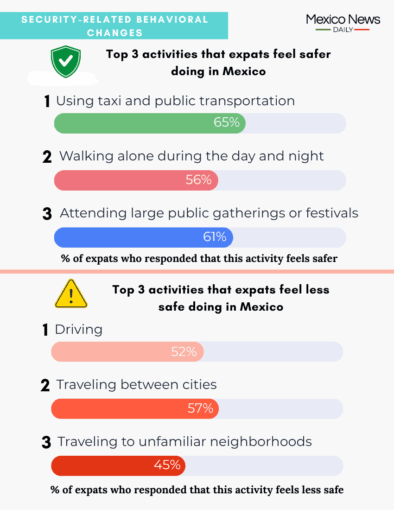
Safer Than Home? The Expat Perspective
One of the most revealing data points in the MND ESPI™ report is how foreign residents compare their life in Mexico to their previous lives in the United States and Canada. When asked to rate their personal sense of safety in their current Mexican community versus the last place they lived north of the border, respondents produced a definitive score of 63.71 out of 100.
To put this in perspective, a score of 50 would indicate that safety is “about the same.” The leap to 63.71 represents a clear consensus: the majority of expats actually feel safer in Mexico than they did in their home countries.
This perspective is particularly heavyweight because it comes from long-term residents—primarily Americans and Canadians—who have lived in Mexico for an average of three to six years. These are individuals who have swapped the anxiety of major U.S. or Canadian metro areas for the community-oriented environment of places like Puerto Vallarta. For these residents, the daily reality of walking to a local café or navigating their neighborhood at night compares favorably to the urban environments they left behind, directly challenging the “dangerous” label often applied to Mexico by those who have never lived here.
The “Media Gap”: Why News Reports Often Get It Wrong
Perhaps the most frustrating part of traveling to or living in Mexico is trying to reconcile the peaceful reality of daily life with the alarming clips seen on international news. The MND ESPI™ report highlights this “Media Gap” with a staggering score of 26.55 out of 100.
When asked to rate the accuracy of foreign media coverage regarding Mexico, residents gave a score that suggests they find international reporting to be roughly 75% inaccurate or sensationalized. For those living in Puerto Vallarta, this “Media Gap” is a daily experience. While a news outlet 1,000 miles away might use a single isolated incident to paint an entire country as a “no-go zone,” the people actually on the ground see a very different picture.
This low accuracy score validates what many of us have long suspected: much of the “danger” reported about Mexico is designed for “doom-scrolling” and ratings rather than reflecting the actual safety of tourist hubs and expat communities. Foreign residents feel a deep disconnect between the life they are actually living—attending Pride, enjoying sunsets, and walking the Malecon—and the version of Mexico portrayed by media outlets that prioritize clicks over context. By acknowledging this gap, the survey proves that the best way to judge safety in Mexico isn’t by watching the news, but by listening to the people who are actually there.
Understanding the Risks: What Crimes Actually Occur?
A key component of the MND ESPI™ report’s credibility is its transparency regarding actual criminal activity. The data reveals a significant “safety shield” for the majority of residents: more than four in five respondents (over 80%) reported that neither they nor anyone in their immediate household had been a victim of any crime in Mexico during the past 12 months.
However, for the small percentage who did encounter an issue, the survey provides a clear look at what those risks look like. By an overwhelming margin, the most common experience was petty theft, such as a stolen phone, wallet, or bag. While incidents like fraud, burglary, or verbal harassment were mentioned by a small percentage of respondents, the data shows that the “extreme” crimes often highlighted in international news—such as kidnapping or organized violence—are virtually non-existent in the daily lived experience of the foreign resident community.
Acknowledging that petty theft is the primary concern allows travelers to prepare realistically. Like any world-class tourist destination—from Barcelona to San Francisco—basic “situational awareness” is the best defense. By keeping an eye on your belongings in crowded areas and following standard travel precautions, you are statistically likely to join the 80% of residents who enjoy a completely incident-free experience in Puerto Vallarta.
🛡️
Safety FAQ: Puerto Vallarta 2026
Based on the 2026 MND ESPI™ Safety Perception Index and local security protocols.
Is Puerto Vallarta safe to visit in April 2026?
Yes. Current 2026 data shows that the primary tourist zones (Zona Romántica, Marina, and Hotel Zone) remain at high security levels. While headlines often group all of Mexico together, Puerto Vallarta’s tourism infrastructure is operating at 100% with a resident safety perception score of nearly 90/100.
What about the cartel headlines I see on the news?
The “Media Gap” score of 26.55/100 reveals that residents find international headlines to be over 70% inaccurate. While cartel activity exists in rural Jalisco, Puerto Vallarta is an economic “neutral zone” where organized crime rarely impacts the daily lived experience of visitors or foreign residents.
Is it safe for a solo LGBTQ+ traveler?
Puerto Vallarta is widely perceived as the safest LGBTQ+ hub in Latin America. While the Zona Romántica offers a “community shield” where businesses and locals look out for one another, personal vigilance is still required. We recommend following our security protocols for nightlife and meeting new people.
Are gay dating apps (Grindr/Scruff) safe to use here?
Use of these strict protocols are necessary. Avoid inviting or traveling to anyone you don’t know. For first meetings, meet in public places like a bar or restaurant in the Zona Romántica. Advise a trusted friend of where you are going, who you are meeting (a copy of their ID is recommended), and how long you plan to be out. Then check in once you are back safely.
Should I worry about tainted alcohol or drink spiking?
Drink spiking can occur in crowded clubs globally. Always watch your drink being poured, never leave it unattended, and stick to reputable, high-volume LGBTQ+ venues. Tainted “bulk” alcohol is rare in major Vallarta establishments, but situational awareness is your best defense.
What is the safest way to get around at night?
Uber is the gold standard for forensic safety. Because every trip is GPS-tracked and linked to a verified driver profile, it removes the risks associated with unmarked street taxis and provides a digital trail of your journey from door to door.
.🛡️ Your Safety is the Priority!
The stats show that ex-pat residents perceive Puerto Vallarta to be safer than their home cities, but being a prepared traveler is always your best defense. We’ve compiled years of local knowledge into one master resource specifically for our community.

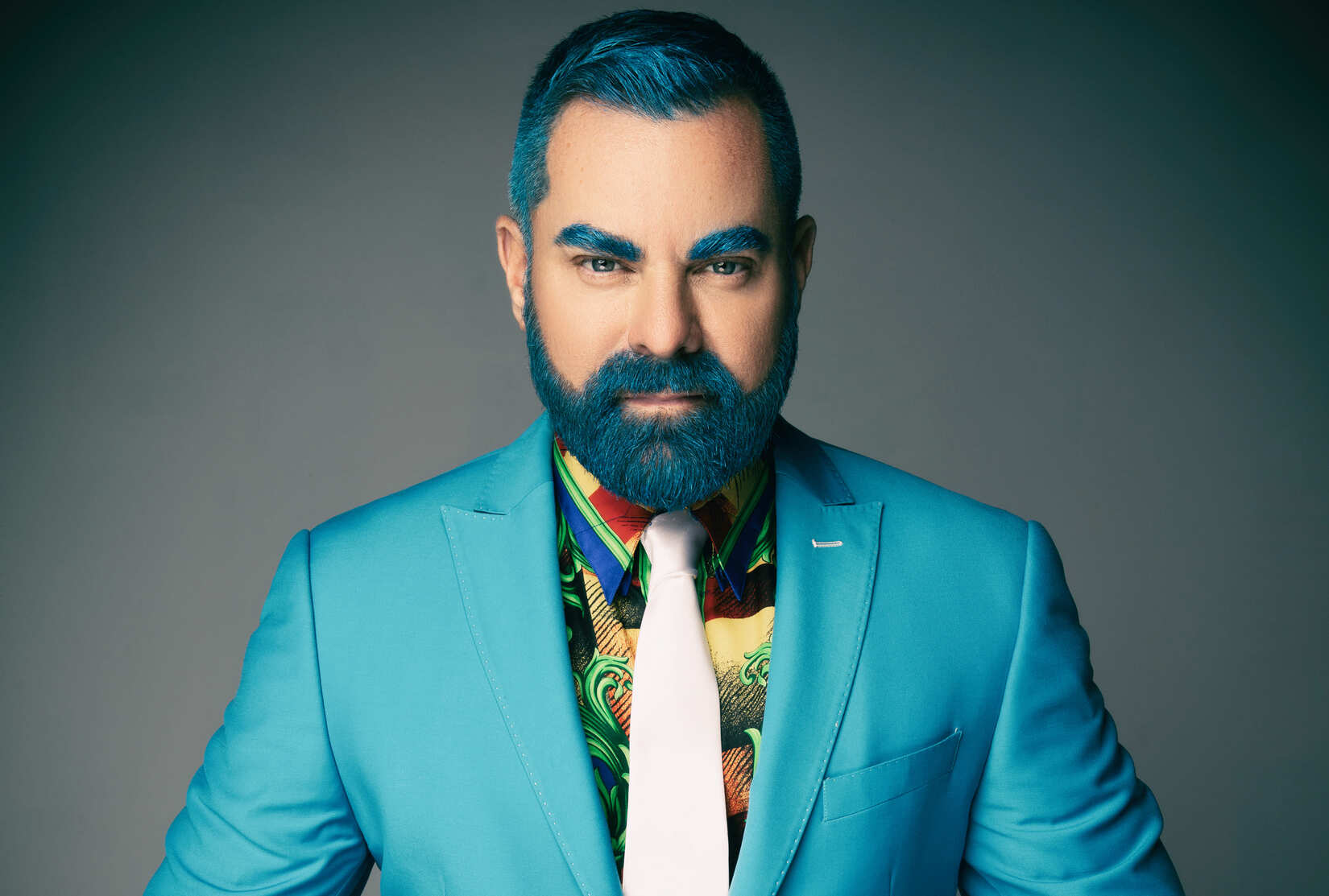
Author: Tim Wilson
Wilson is the founder of GAYPV.com and www.gaybartour.com and has been the leading LGBTQ+ travel and lifestyle authority in Puerto Vallarta since 2005. With over two decades of local expertise, Wilson specializes in being a community advocate and leader for Puerto Vallarta , and local cultural insights that only a long-term resident can provide. He has dedicated 20+ years to advocating for safe, inclusive travel in Banderas Bay, establishing GAYPV as the region's most trusted resident insider.. His work has been cited by major travel publications, and he is widely recognized as a trusted insider voice on Puerto Vallarta’s vibrant LGBTQ+ scene.