Mexico Unveils 2026 Strategy to Position Gastronomy as a Tourism Driver
Mexico unveils 2026 strategy to position gastronomy as a tourism driver. On December 16, 2025 the Secretaría de Turismo (SECTUR) and CANIRAC outlined a coordinated strategy that integrates the MICHELIN Guide into Mexico’s official public tourism policy—recognizing food not just as a cultural asset, but as a primary reason to travel. The strategy also includes the project “Mexico Of My Flavors” related to the 2026 World Cup.
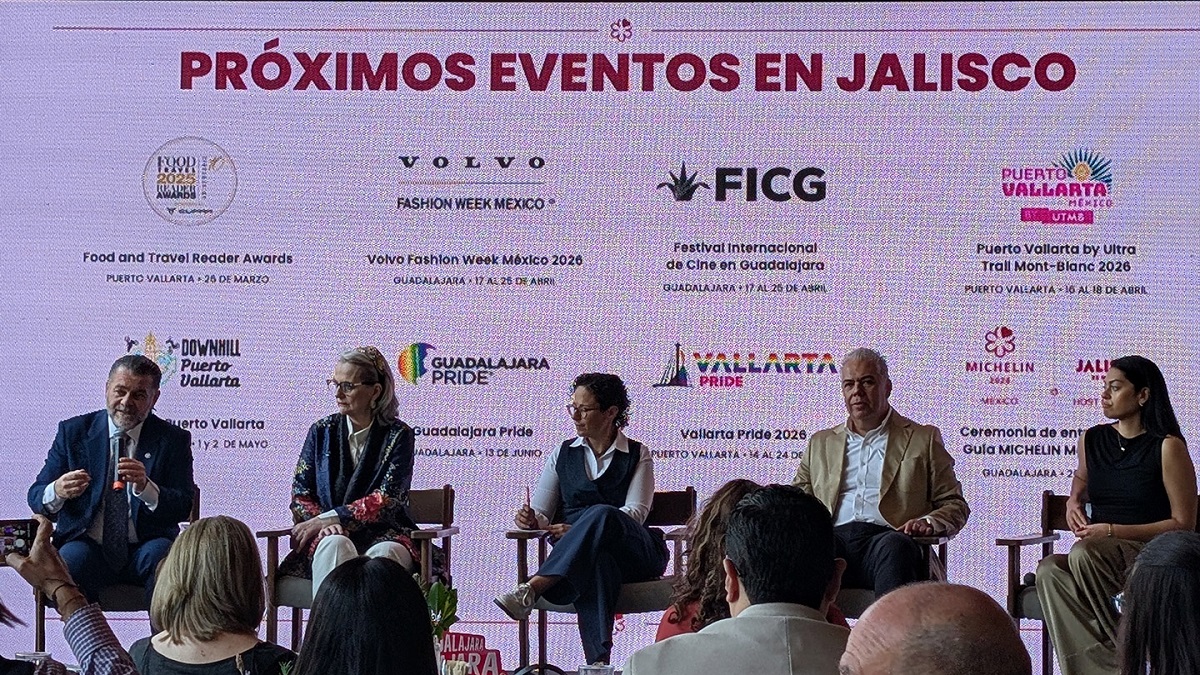
Mexico’s national tourism authorities are now formally positioning gastronomy as a strategic driver of travel, a move that could directly benefit destinations such as Puerto Vallarta, even as Jalisco remains outside the current MICHELIN Guide Mexico inspection map.
This policy shift reflects a broader change in how Mexico competes internationally for visitors: gastronomy is no longer a complementary attraction, but a central component of destination planning, economic development, and global positioning.
Gastronomy A National Tourism Asset
SECTUR Secretary Josefina Rodríguez Zamora emphasized that Mexican cuisine plays a critical role in tourism growth by combining economic impact, cultural identity, and international visibility. According to SECTUR data, approximately 30% of total traveler spending in Mexico is allocated to food, making gastronomy one of the most influential drivers of visitor expenditure.
The 2025 Community Marketing & Insights (CMI) LGBTQ Tourism & Hospitality Survey states 80% of LGBTQ travelers say what matters the most when visiting an urban city is to Experience a city’s restaurants/food scene.
Rodríguez Zamora noted that when destinations are recognized for culinary quality—particularly through inclusion in the Guía MICHELIN—the resulting regional economic spillover can increase by up to 125%. These gains extend well beyond restaurants, supporting agricultural producers, hospitality workers, traditional cooks, and the broader tourism supply chain.
Framed this way, gastronomy becomes a tool for regional development, linking rural production, urban dining, and tourism infrastructure into a single value ecosystem.
The Role of the MICHELIN Guide in Mexico’s Tourism Policy
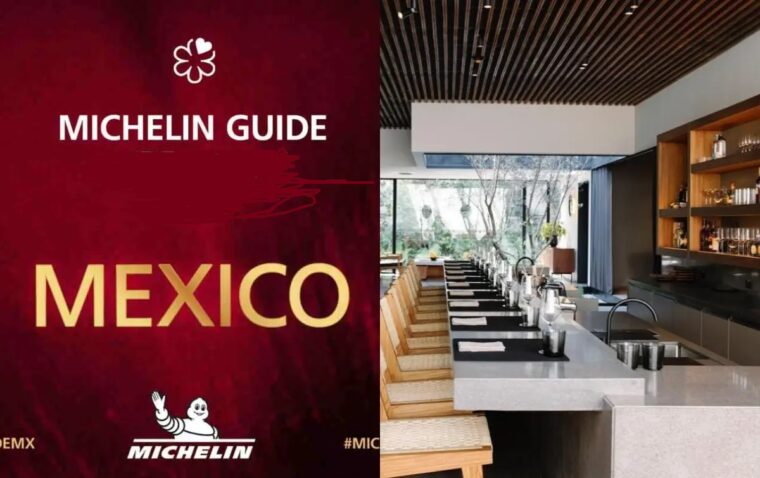
As part of the 2026 agenda, the MICHELIN Guide has been formally incorporated into Mexico’s national tourism strategy—not as a standalone accolade, but as a quality benchmark that supports professionalization, training, and international credibility across the restaurant sector.
The 2025 MICHELIN Guide for Mexico recognizes 181 restaurants across Mexico City, Oaxaca, Baja California, Baja California Sur, Quintana Roo, and Nuevo León, maintaining all distinctions from 2024 while adding new establishments across categories such as MICHELIN Stars, Bib Gourmand, recommended restaurants, and the Green Star for sustainability.
Mexico entered a defining moment in its culinary history with the release of the Michelin Restaurant Guide Mexico Edition in 2024. For the first time, Michelin formally evaluated and recognized the country’s restaurants across regions including Oaxaca, Baja California, Quintana Roo, Nuevo León, and Mexico City—confirming what chefs and food travelers had understood for decades. This recognition did not create Mexico’s culinary prestige; it validated the long evolution of contemporary Mexican gastronomy, a movement rooted in elevating local ingredients, refining technique, and presenting Mexican cuisine with global confidence.
Luis Villaseñor, Director of the Puerto Vallarta Tourism Trust, confirmed to GAYPV that negotiations are currently underway to have Puerto Vallarta included in future MICHELIN Guide restaurant inspections. While he emphasized that no formal agreement has been finalized and that inclusion in 2026 is not yet guaranteed, Villaseñor expressed strong optimism that Puerto Vallarta’s culinary ecosystem meets the standards required for consideration.
Tourism authorities and industry leaders increasingly acknowledge that travelers now use the guide as a planning tool, shaping where they travel, how long they stay, and how they design experiences around food. Within this framework, MICHELIN recognition functions as part of a broader destination development strategy rather than a purely culinary honor.
Employment, Youth Opportunities, and Economic Resilience
CANIRAC President Ignacio Alarcón Rodríguez Pacheco highlighted the restaurant industry’s role as a national economic employer. The sector generates more than two million direct jobs and represents the primary source of employment for one in five young people in Mexico.
From a tourism perspective, gastronomy-driven growth supports skills-based employment, language training, and service-quality improvements—factors that directly influence visitor satisfaction and repeat travel. Strengthening culinary standards and international visibility is therefore seen as a way to create more resilient tourism demand, particularly in periods of market volatility.
Looking Ahead to Fitur 2026 and the World Cup
The SECTUR–CANIRAC agenda will be introduced at Fitur 2026 and the lead-up to the 2026 FIFA World Cup, with initiatives designed to amplify Mexico’s culinary presence on a global stage.
Planned actions include:
-
An International Taco Competition
-
A consolidated gastronomic zone at Tianguis Turístico 2026
-
“México de mis sabores”
-
This will showcase regional cuisines, traditional cooks, emblematic ingredients, and beverages
Additional measures include digital tools for international promotion, language and service-quality training programs for restaurants in key destinations, and the creation of a Certified Restaurant Distinction to ensure consistent standards during major global events.
Why This Strategy Matters for Travel Planning
By formally positioning gastronomy as a driver of tourism, Mexico is aligning national policy with evolving traveler behavior. Food-focused travel increasingly shapes decisions about where to go, how long to stay, and how much to spend, particularly among travelers seeking cultural depth and authenticity.
This also allows destinations to compete not only on natural beauty or nightlife, but on quality, identity, and experience—elements that typically lead to longer stays and higher per-visitor spending.
What Comes Next
As Mexico moves toward 2026, the effects of this gastronomy strategy will be felt most clearly at the destination level, where culinary ecosystems, festivals, and restaurant communities intersect with tourism demand.
For Puerto Vallarta LGBTQ+ travel planning., the implications of this national strategy are especially important— as Puerto Vallarta seeks to be added to the Michelin inspection list. an alignment explored separately through a focused look at how local gastronomy fits within Mexico’s evolving tourism priorities.
See the source here.
Check the complete Puerto Vallarta restaurant and dining scene guide here.
To see our complete restaurant guide on the Puerto Vallarta restaurant and dining scene visit here

Author: Tim Wilson
Wilson is the founder of GAYPV.com and www.gaybartour.com and has been the leading LGBTQ+ travel and lifestyle authority in Puerto Vallarta since 2005. With over two decades of local expertise, Wilson specializes in being a community advocate and leader for Puerto Vallarta , and local cultural insights that only a long-term resident can provide. He has dedicated 20+ years to advocating for safe, inclusive travel in Banderas Bay, establishing GAYPV as the region's most trusted resident insider.. His work has been cited by major travel publications, and he is widely recognized as a trusted insider voice on Puerto Vallarta’s vibrant LGBTQ+ scene.