
🌿 Featured 2026 Eco-Adventure
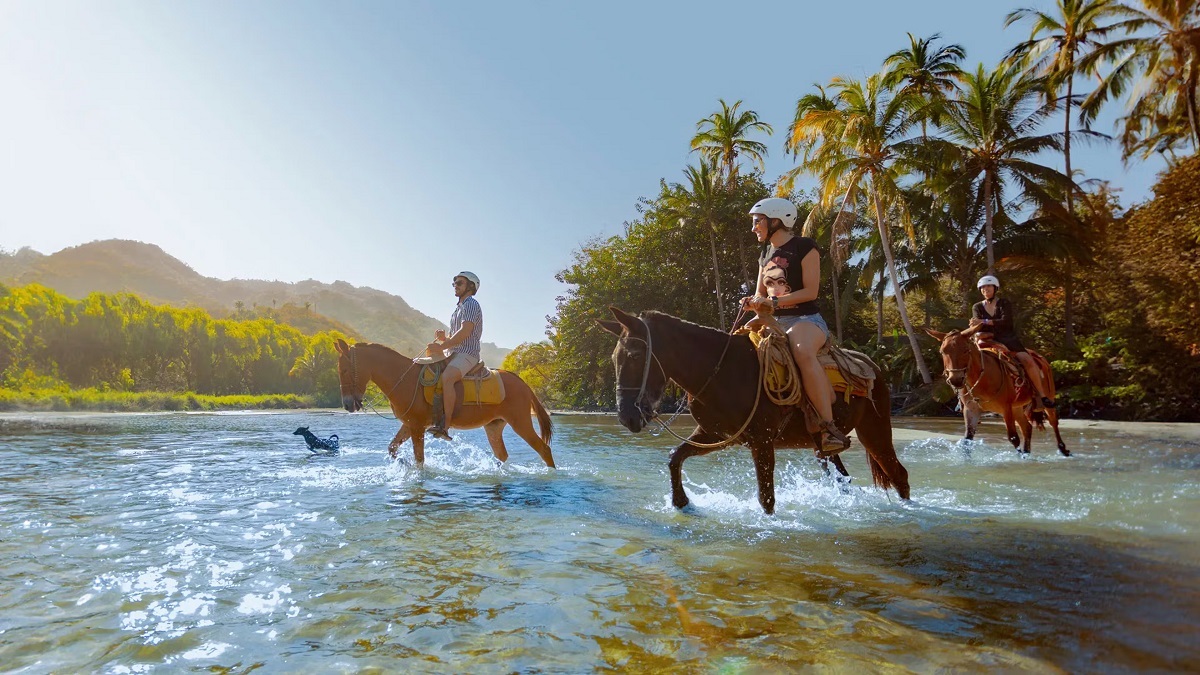
Sea Safari & Horseback Riding
Experience the ultimate “South Shore” immersion. This isn’t just a boat tour; it’s a deep dive into Banderas Bay’s biodiversity. Travel via speedboat to the remote village of Quimixto, trek by mule to hidden waterfalls, and snorkel in the pristine waters of a secluded cove.
- Eco-Impact: Supports local village economies and promotes low-impact travel to roadless areas.
- Specialist Tip: The best way to see the “Authentic” PV coastline beyond the city limits.
Discover Puerto Vallarta Eco-Tourism Introduction
Puerto Vallarta is well-established as a top gay travel destination for LGBTQ+ nightlife, beach clubs, and circuit parties. If you’re planning your next getaway and looking for a new reason to visit, Discover Puerto Vallarta Eco-Tourism — a growing reason LGBTQ+ travelers are choosing this destination for sustainable adventures, nature tours, and conscious travel experiences involving local communities.
Puerto Vallarta, once a modest fishing village, has undergone a profound transformation into a globally recognized LGBTQ+ tourist destination. This evolution has been accompanied by a parallel journey in adopting ecotourism principles and sustainability practices.
Initially, ecotourism principles were non-existent or very primitive, if present at all. As travelers began to Discover Puerto Vallarta Eco-Tourism, the city—driven by sudden, unexpected economic growth and rapid infrastructure development—faced significant environmental and social pressures, including land displacement and strain on public services. Over time, a growing awareness of these impacts, coupled with changing global tourism trends, spurred the development of formal ecotourism definitions and conservation efforts.
To Discover Puerto Vallarta Eco-Tourism is to also confront the major challenges common across Mexico—waste management, recycling practices, overdevelopment, and limited infrastructure. Yet Puerto Vallarta stands out as a rare success story, offering increasing awareness and growing options in sustainable tourism. From community-led conservation efforts in the mountains of El Jorullo to gay-friendly dolphin tours that promote marine education, PV is evolving into a hub for eco-conscious LGBTQ+ travelers.
The private sector—mostly hotels and tour operators—has increasingly embraced eco-friendly certifications and practices, while a vibrant network of non-governmental organizations (NGOs) and local community groups actively leads conservation and community empowerment projects.
Here is the ultimate travel guide for everything you need to know to Discover Puerto Vallarta Eco-Tourism as an LGBTQ+ traveler.
● Warning: High Whale Activity (Speed Limits but limited results)
GAYPV Verified: Feb 23, 2026
2026 Strategy Update: The “Bay Guardian” Protocols
As of January 2026, Puerto Vallarta has officially entered the peak of its world-famous humpback whale-watching season, which runs through March 23, 2026. This year, the municipality has introduced intensified “Bay Guardian” standards to align with the federal NOM-131-SEMARNAT-2010 regulations, ensuring that our local biodiversity remains protected for years to come.
The Official 2026 “Banderola” (Safety Flag)
Before boarding any vessel, travelers must verify that the operator is flying the official 2025-2026 season flag. This flag, which is color-coded and marked with a unique ID number and the words “JAL y Nayarit,” serves as proof that the operator is certified by SEMARNAT, has completed mandatory conservation training, and carries the required insurance for wildlife observation.
Mandatory Distance and Capacity Standards
To minimize the impact on nursing mothers and their calves, strict distance protocols are in effect for 2026:
Observation Buffer:
Authorized small boats must maintain a minimum distance of 60 meters, while larger vessels (over 10 meters) must stay at least 80 meters away.
Boat Limits:
No more than four boats are permitted to observe a single whale or group at one time.
Time Limits:
Encounters with any single whale group are strictly limited to a maximum of 30 minutes.
For the safety of both visitors and marine life, the following activities are strictly forbidden in observation zones:
No Direct Contact:
Swimming, snorkeling, diving, or kayaking with whales is prohibited.
No Drone Use:
Federal law restricts the use of drones near whales without a specific scientific research permit.
Speed Restrictions:
Boats must operate at “no-wake” speeds under 9 km/h (5 knots) in observation areas, dropping to 4 km/h (2 knots) when approaching a pod.
The 2026 Green Shift: A Vision for Sustainable Travel
Puerto Vallarta has officially entered a new era of environmental responsibility with the 2026 Green Shift. This strategic move focuses on professionalizing maritime travel and ensuring that our growth as a world-class destination doesn’t come at the cost of our natural beauty.
Key updates for 2026 include:
The “Maritime Highway” Strategy:
To protect our coastal roads and reduce emissions, the city is shifting toward a “water-first” transit model. The new 400-passenger “Playa del Carmen” ferry is the first step in this plan, providing a safe, stable, and regulated alternative for reaching the southern beaches. By moving large tourist groups from the downtown piers to the modernized harbor at Muelle Los Peines, the city is de-cluttering the Romantic Zone while improving connectivity to roadless villages like Yelapa.
The 160-Peso Environmental Initiative:
Starting January 1, 2026, a one-time annual Environmental Sanitation Tax of 160 pesos (approx. $9 USD) is being collected from international visitors. These funds are legally earmarked for the protection of our beaches, wastewater management, and the maintenance of green spaces. This “non-coercive” contribution allows travelers to directly support the infrastructure that keeps our ecosystem healthy.
Guardianes de la Bahía” (Bay Guardians):
With increased ferry traffic comes a stronger commitment to marine life. The 2026 season has implemented stricter “no-wake” zones and mandatory speed limits for all large vessels crossing humpback whale nursing grounds. This program ensures that our maritime expansion remains a safe environment for the bay’s most famous residents.
The Rise of Eco-Luxury:
From solar-powered geodesic domes to the integration of Starlink for digital nomads, the southern bay is moving toward eco-luxury glamping. This low-impact development model allows visitors to experience the jungle in high-end comfort without the need for destructive permanent road construction.
Table of Contents
- 1 Discover Puerto Vallarta Eco-Tourism Introduction
- 2 2026 Strategy Update: The “Bay Guardian” Protocols
- 3 The 2026 Green Shift: A Vision for Sustainable Travel
- 4 Discover Puerto Vallarta Eco-Tourism: Definition
- 5 Discover Puerto Vallarta Eco-Tourism: The Beginning
- 6 Discover Puerto Vallarta Eco-Tourism: Expansion and Diversification
- 7 Discover Puerto Vallarta Eco-Tourism: Growing Awareness and Sustainable Adoption
- 8 Discover Puerto Vallarta Eco-Tourism: Key Programs
- 9 Discover Puerto Vallarta Eco-Tourism: Development History And Timeline
- 10 🏛️ Discover Puerto Vallarta Eco-Tourism: Government Programs, Initiatives, and Development
- 11 Discover Puerto Vallarta Eco-Tourism: Local Community and Ejido Initiatives
- 12 Discover Puerto Vallarta Eco-Tourism: Private Sector & NGO Contributions
- 13 Discover Puerto Vallarta Eco-Tourism: Partnerships, Successes & Recognition
- 14 Eco-Tourism in Puerto Vallarta: Frequently Asked Questions
- 14.1 What qualifies as eco-tourism in Puerto Vallarta?
- 14.2 How is eco-tourism different from traditional sightseeing or mass tourism?
- 14.3 Is eco-tourism in Puerto Vallarta LGBTQ+ friendly?
- 14.4 What types of eco-tourism experiences are available in Puerto Vallarta?
- 14.5 How does eco-tourism benefit local communities and ejidos?
- 14.6 Is eco-tourism available year-round in Puerto Vallarta?
- 14.7 How can travelers ensure they are booking responsible eco-tourism experiences?
- 14.8 Why is Puerto Vallarta considered a leader in eco-tourism in Mexico?
- 14.9 How does eco-tourism align with Puerto Vallarta’s LGBTQ+ tourism growth?
Discover Puerto Vallarta Eco-Tourism: Definition
Ecotourism is a form of nature-oriented travel that aims to be minimally impactful, contribute to the conservation of the natural environment, and provide both contributions to conservation and environmental education.
The Global Ecotourism Network (GEN) describes ecotourism as “responsible travel to natural areas that conserves the environment, sustains the well-being of the local people, and creates knowledge and understanding through interpretation and education of all involved (visitors, staff, and the visited).” This encompasses fostering community stability, providing economic benefits, and offering aesthetic and spiritual enjoyment for both locals and tourists.
Key aspects of ecotourism include equality—ensuring fair use of natural resources by the present generation without compromising future needs; the sustainable use of natural and biodiversity resources, focusing on optimal use and conservation of ecological processes and aesthetic values.
The preservation of cultural identity, respecting and supporting local and indigenous cultures; the protection of natural heritage sites; and the participatory principle, guaranteeing the involvement of all stakeholders in management and decision-making processes. Tourism safety is also a necessary precondition for establishing a sustainable business.
How Is Eco-Tourism Different From Traditional Tours and Things To Do?
Traditional tours focus primarily on recreation and entertainment, maximizing the number of participants and profits. In contrast, eco-tourism integrates environmental conservation, local community well-being, and educational components at its core.
Conventional tours often lack conservation practices, leading to waste generation, carbon emissions, and potential harm to ecosystems. Eco-tours, however, are built around sustainability, involving trained experts and promoting operational standards and certifications.
While all tourism generates jobs and boosts economic activity, eco-tourism empowers local communities by allowing visitors to directly contribute to regional development and cultural preservation. In Puerto Vallarta, eco-tourism providers ensure guests learn about and respect the environment and local ways of life.
Puerto Vallarta eco-tourism companies strive to include environmental education in every activity, often involving marine biologists, conservationists, and local guides who share insights into the region’s biodiversity. These companies also prioritize operational sustainability, including waste reduction and resource-efficient practices.
For a complete directory list of Nature and Adventure Things To Do In Puerto Vallarta visit this link.
Discover Puerto Vallarta Eco-Tourism: The Beginning
Puerto Vallarta’s transformation into a prominent tourist destination accelerated significantly in the mid-20th century. The city saw the development of its first major hotel in 1948. A crucial factor in its burgeoning appeal was improved accessibility via air when Air Mexicana initiated flights to Puerto Vallarta in 1954.
The most pivotal moment in Puerto Vallarta’s rise to international fame was the 1963 filming of John Huston’s The Night of the Iguana, starring Elizabeth Taylor and Richard Burton. This cinematic exposure dramatically and almost instantly positioned Puerto Vallarta as an emerging tourist hotspot, forever altering its destiny and attracting a new wave of visitors.
The Mexican government subsequently invested heavily in transportation infrastructure including the construction of a paved road connecting the city to the west-coast international highway and the development of the international airport in 1966. Additionally, the El Salado wharf—now the Puerto Vallarta Maritime Cruise Terminal—was inaugurated in 1970.
This influx of visitors and investment occurred without comprehensive urban planning or environmental foresight. The result was unplanned growth and immense pressure on the city’s limited resources, triggering environmental degradation and social disparities.
This period illustrates how rapid economic success, when not aligned with long-term conservation planning, can create significant liabilities for future generations—challenges that today’s sustainability efforts aim to address.
Discover Puerto Vallarta Eco-Tourism: Expansion and Diversification
Following its initial boom, Puerto Vallarta began to strategically diversify its tourism offerings. Beyond sun and beach appeal, the city expanded into adventure tourism, ecotourism, medical tourism, wellness, and became a top LGBTQ+ travel destination in Mexico.
This strategic shift also marked a growing awareness of the need for environmental stewardship. Two of the earliest examples of conservation initiatives include:
🌊 El Salado Estuary
A unique urban mangrove reserve in the heart of the city, officially protected in 2000. The estuary plays a vital role in biodiversity preservation, water purification, and urban climate balance, serving as a symbol of successful co-existence between nature and urban development.
2026 Conservation Update: El Salado has officially expanded to 208.2 hectares, solidifying its status as the only protected urban mangrove in Latin America. For the LGBTQ+ traveler, this “urban lung” provides more than just a tour; it is the reason our beaches remain crystal clear and our climate stays cooler than inland areas.
For bird watchers, El Salado is home to 99 species; see our Nature & Adventure Birding Guide for more spots.
🐢 Sea Turtle Protection Programs
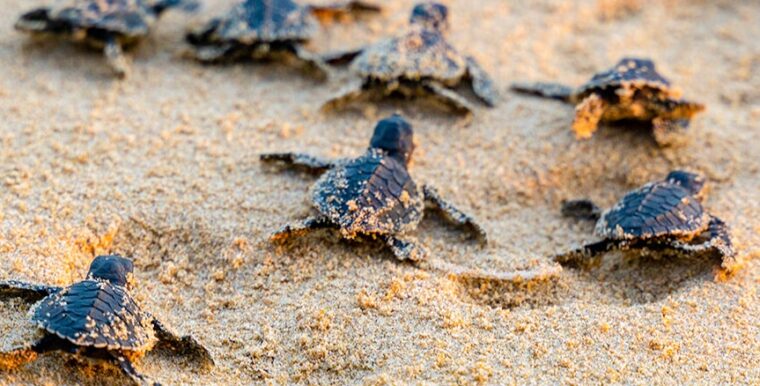
Launched in 1981—before ecotourism was even a formal term in Mexico—these programs involve hatchery monitoring, public turtle releases, and local education efforts. They remain one of the most iconic ecotourism experiences in Puerto Vallarta.
The early adoption of these programs signals a shift from unchecked development to more mindful environmental management. These and similar efforts laid the groundwork for broader sustainability frameworks across the city.
Discover Puerto Vallarta Eco-Tourism: Growing Awareness and Sustainable Adoption
Puerto Vallarta’s sustainability journey has evolved from early grassroots projects to formal government strategies and private-sector certifications. Key shifts include:
- Multi-stakeholder collaboration: Across federal (SEMARNAT), state (SECTURJAL/SEMADET), and local levels.
- Adoption of international standards: EarthCheck, Blue Flag beaches, and Distintivo S certifications.
- Private sector accountability: Hotels and tour operators are now aligning with global sustainable tourism principles.
However, the rise of “eco” branding without regulation led to concerns over greenwashing. This trend underscored the need for credible certifications and third-party audits to ensure environmental claims align with actual practices.
The ongoing shift to regenerative tourism signals a more inclusive model that values both biodiversity protection and equitable community benefit.
Discover Puerto Vallarta Eco-Tourism: Challenges Ahead
Despite its success, Puerto Vallarta faces ongoing challenges:
- Environmental strain from cruise ships and rapid construction
- Limited recycling and infrastructure
- Regulatory compliance in sensitive marine zones
- Need for stronger coordination among stakeholders
Still, the city’s eco-tourism sector remains one of the most promising models in Mexico, offering a blueprint for how tourism and conservation can coexist.
Discover Puerto Vallarta Eco-Tourism: Key Programs
| **Initiative/Program Name | Key Activities/Focus | Contributing Stakeholders** |
|---|---|---|
| El Salado Estuary Protection | Habitat preservation, water filtration, flood control, biodiversity sanctuary, educational tours. | SEMADET, Local NGOs, Researchers, Ecologists, Community |
| Sea Turtle Conservation Programs | Egg collection, hatchery monitoring, public release ceremonies, environmental education. | Government (SEMARNAT), Hotels (Velas Vallarta, Casa Magna Marriott), Tour Operators, Campamento Tortuguero Boca de Tomates, Campamento Mayto, Sociedad Ecologica de Occidente |
| Marine Mammal Rescue & Conservation | Rescue, rehabilitation, and release of marine mammals; interactive educational programs. | The Adventures Group (largest rescue center in Mexican Pacific), SEMARNAT |
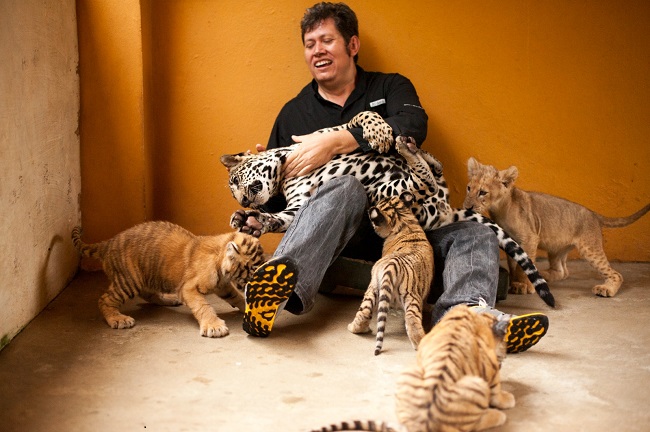
| Breeding and Exchange Program | Highly successful breeding and international exchange program for many feline species including some almost extinct | Vallarta Zoo Zoologico De Vallarta |
| Green Hotel Certifications | Daily beach cleaning, waste separation/recycling, organic composting, plastic reduction, solar energy, water treatment, energy-efficient design. | Velas Vallarta (EarthCheck Gold, Distintivo S), Casa Velas (EarthCheck Platinum, Distintivo S, GreenLeaders Gold), Barcelo Puerto Vallarta (Green Globe) |
| Community Biodiversity Conservation (Butterflies) | Infrastructure improvement for sanctuary, funding lab equipment, educational visits for students, marketing support. | Playa Hotels & Resorts (Playa Cares), Jardín Mágico Santuario de Mariposas A.C., Juan Hernández García Primary School, Pasitos de Luz – Casa Connor Rehabilitation Center |
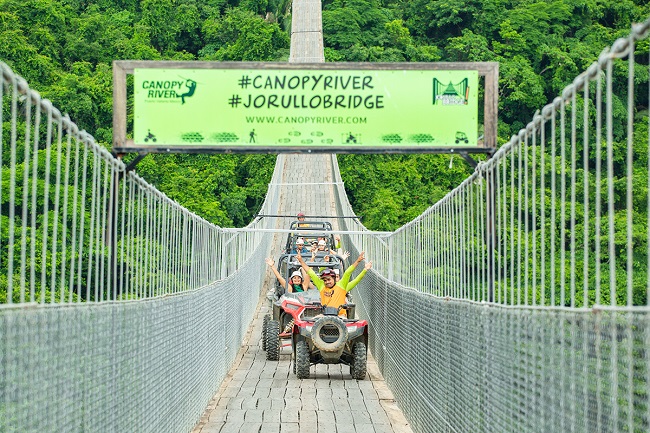
| Community-Based Ecotourism (Canopy River in El Jorullo) | Complementing agriculture with tourism activities (zip-lining, ATVs, hiking), local community leadership, economic diversification. | Ejido El Jorullo, Canopy El Jorullo, Jorullo Paradise, local communities |
| Vallarta Botanical Garden Conservation | Ecological restoration, native species protection (orchids, macaws), forest land acquisition, fire prevention, environmental education. | Vallarta Botanical Garden, University of Guadalajara, CONABIO |
| Responsible Tour Operator Practices | Expert-led tours, portion of costs supporting wildlife/environment, low-impact travel, supporting local businesses. | Puerto Vallarta Ecotours, Journey Mexico |
| Broader Community Engagement | Beach clean-ups, reforestation, supporting local associations (e.g., Children of the Dump, International Friendship Club), animal welfare. | Network of Altruistic Associations, Ecology Group of Puerto Vallarta, Grupo Ecologico de la Costa Verde, S.O.S. Animal, SPCA of Puerto Vallarta, PEACE |
Discover Puerto Vallarta Eco-Tourism: Development History And Timeline
| Year | Event/Milestone | Significance |
| 1851 | Founding of Las Peñas (later Puerto Vallarta) by Don Guadalupe Sánchez Torres. | Marks the establishment of the original settlement, primarily for trade and mining support. |
| 1918 | Las Peñas elevated to municipality status, renamed Puerto Vallarta. | Formal political recognition, setting the stage for future growth. |
| 1930s | National and foreign tourists begin visiting. | Early, organic interest in the region’s natural beauty. |
| 1948 | First major hotel developed. | Beginning of formal tourism infrastructure. |
| 1954 | Air Mexicana starts Guadalajara-Puerto Vallarta flight. | Improved accessibility, reducing isolation. |
| 1963 | Filming of “The Night of the Iguana.” | International media attention, positioning PV as an emerging tourist hotspot. |
| 1966 | Land leveled for international airport; direct roads to town by 1970. | Major infrastructure improvements, making PV fully accessible by air, land, and sea. |
| 1968 | Puerto Vallarta granted city status. | Solidified political standing, ushered in urban and tourism development. |
| 1970 | El Salado wharf Puerto Vallarta port inaugurated. | Established PV cruise ship terminal. |
| 1974 | FONATUR (National Trust Fund for Tourism Development) established. | Government intervention to promote and finance tourism development. |
| 1975 | Land displacement issue highlighted (e.g., 184 of 600 farmers retained land rights). | Illustrates early social costs of rapid tourism expansion. |
| 1981 | Puerto Vallarta sea turtle conservation program created. | Early, significant local conservation initiative, drawing tourist participation. |
| 1983 | Ecotourism defined in Mexico by Héctor Ceballos-Lascurain. | Mexico’s pioneering role in formalizing the concept of ecotourism. |
| Mid-1980s | Rapid expansion of impromptu communities, poorly served by basic services. | Challenges of unplanned growth and social disparity become evident. |
| 2000 | El Salado Estuary designated a protected natural area. | Crucial step in preserving a vital urban ecosystem. |
| 2006 | SEMARNAT establishes management plan for whale shark tourism. | Federal regulation addressing marine tourism impacts. |
| 2011 | SEMARNAT issues regulations for whale watching vessels. | Federal regulations for protecting whale species in Bahía de Banderas. |
| 2018 | Bahía de la Paz officially declared an area for whale shark protection. | Further federal action to regularize and manage marine tourism. |
| 2023 | Jalisco launches Biodiversity Integration in Tourism Sector Strategy (IBIOTURJAL). | State-level strategic initiative for integrating biodiversity into tourism planning. |
| 2025 | Proposed environmental fee for tourists in Puerto Vallarta under consideration. | Municipal effort to fund environmental projects and infrastructure maintenance. |
| 2030 | Mexico aims to be the 5th most visited country with focus on sustainability. | National strategic goal emphasizing innovation, inclusion, and sustainability in tourism. |
🏛️ Discover Puerto Vallarta Eco-Tourism: Government Programs, Initiatives, and Development
Puerto Vallarta’s commitment to eco-conscious travel is supported by a multi-tiered government framework across federal, state, and municipal levels.
🇲🇽 Federal Government
The Mexican Secretariat of Environment and Natural Resources (SEMARNAT) has implemented strict regulations to protect marine ecosystems. In 2011, SEMARNAT issued whale watching rules in Bahía de Banderas to safeguard humpback whales during their migration season. Earlier, in 2006, SEMARNAT introduced a whale shark tourism plan, and by 2018, Bahía de la Paz was designated a protected whale shark habitat.
🌄 State Government (Jalisco)
Jalisco, Mexico’s fourth most biodiverse state, launched IBIOTURJAL (Biodiversity Integration in Tourism Sector Strategy) in October 2023. This ambitious program from SECTURJAL and SEMADET aims to:
-
Integrate biodiversity into tourism planning by 2030
-
Train providers in sustainable tourism practices
-
Certify nature-based businesses and ecotourism trails
-
Establish Blue Flag certification for 12 Puerto Vallarta beaches
🌆 Local Government
Locally, Puerto Vallarta is improving infrastructure to handle sustainable growth. Projects include:
-
Expanding Licenciado Gustavo Díaz Ordaz International Airport
-
New roads, piers, and public transportation improvements
-
A proposed “Environmental Fee” (like in Quintana Roo) to fund beach cleaning, waste management, and environmental protection
These initiatives show how Discover Puerto Vallarta Eco-Tourism is becoming embedded in policy at every level.
Discover Puerto Vallarta Eco-Tourism: Local Community and Ejido Initiatives
One of the most authentic ways to Discover Puerto Vallarta Eco-Tourism is through ejido communities—collectively owned land often managed by local families.
🌉 Canopy River in Ejido El Jorullo
Located just 30 to 40 minutes from the Romantic Zone of Puerto Vallarta, El Jorullo is a historic ejido community that blends agriculture, artisan craftsmanship, and ecotourism into a model of sustainable rural development.
Founded in 1940 with 180 residents and 157 ejidatarios (communal landholders), El Jorullo is part of the Association of Foresters of the North Coast of Jalisco. The community’s agricultural roots remain strong, focusing on the cultivation of diverse seed varieties using adapted techniques suited for the rugged, mountainous terrain. These locally grown seeds are distributed throughout Puerto Vallarta and neighboring regions.
In addition to agriculture, craftsmanship plays a vital role in the local economy. Artisans in El Jorullo produce handmade goods ranging from carved wooden centerpieces to leather accessories and decorative items, using sustainable materials found in their environment.
Ecotourism is the third and fastest-growing pillar of the community. El Jorullo’s stunning geography—marked by dramatic contrasts between lush mountains and nearby coastline—has made it a favorite destination for both Mexican and international travelers seeking nature-based experiences.
In 2005, a visionary group of ejidatarios proposed an ecotourism project to the Ejido Council, inviting local participation. Of the 60 who initially registered, 36 remained committed as the project evolved. By 2006, the community officially launched the brand Canopy River, beginning with zip line adventures and later expanding to offer ATV tours, rappelling, rafting, muleback riding, and other immersive nature activities.
Today, Canopy River is a leading example of community-led eco-tourism in Puerto Vallarta, demonstrating how rural innovation and environmental stewardship can create long-term economic opportunity.
These efforts offer a rare chance for LGBTQ+ travelers in Puerto Vallarta to connect with nature and culture beyond the gay beach.
Discover Puerto Vallarta Eco-Tourism: Private Sector & NGO Contributions
Vallarta Zoo Zoologico De Vallarta
Vallarta Zoo is a non profit company part of Puerto Vallarta’s Eco-Tourism organization. They have developed their own catalog and tagging system to keep track of feline cubs born in captivity to prevent crossbreeding. They not just a Zoo but we a wildlife sanctuary and rescue center for the state, federal and even international level. They gladly encourgage volunteers to get involved in any way possible.
🌿 Green Hotel Certifications & Practices
-
Casa Velas uses composting, solar heating, and eco-efficient design.
-
Velas Vallarta aligns with UNWTO and Rainforest Alliance goals.
-
Westin Resort PV partners with NGOs like El Estero El Salado and Food Bank Al Rescate.
View more eco-friendly stays at:
👉 Puerto Vallarta Gay-Friendly Hotels
🛥️ Eco-Conscious Tour Operators
-
Ocean Friendly Tours – founded by Oscar Frey, offers responsible whale watching.
-
Eco Tours Vallarta – guided snorkeling, sea turtle release, kayaking.
-
Vallarta Adventures – operates the largest marine mammal rescue center in the Mexican Pacific, plus massive reforestation efforts and waste reduction initiatives.
Discover more at:
👉 Puerto Vallarta Gay Tours and Activities
Discover Puerto Vallarta Eco-Tourism: Partnerships, Successes & Recognition
Mexico’s 2026 Blue Flag Leadership: A Global Top 10 Achievement
In a landmark achievement for 2026, Mexico has been officially recognized by the Foundation for Environmental Education (FEE) as one of the Top 10 countries globally for Blue Flag certifications. This prestigious accolade places Mexico’s coastlines alongside world-class destinations like Spain, Greece, and Italy.
For the “Wander Luxe” traveler, a Blue Flag is the gold standard of coastal excellence, guaranteeing stringent benchmarks in water quality, environmental management, safety, and services are not only met but rigorously maintained.
What is Blue Flag certification
A Blue Flag Certification is the world’s most recognized voluntary eco-label for beaches and marinas. Think of it as a “Five-Star Rating” for the environment. When you see a Blue Flag flying at a Puerto Vallarta beach, it means that specific stretch of coastline has passed 33 rigorous international standards. For LGBTQ+ travelers, it provides peace of mind that the water is tested, the sand is maintained, and the facilities (like restrooms and ramps) are top-quality.
How is a Blue Flag Awarded? (The Top Score Criteria)
To earn the flag, a beach must score 90% or higher across four “Top Score” categories. In Mexico, these are audited twice a year (Peak Season and Spring) to ensure standards never slip:
-
Water Quality (The #1 Query): Strict, regular testing for bacteria and pollutants. No industrial or sewage discharge is allowed to affect the area.
-
Environmental Management: The beach must be cleaned daily. There must be adequate trash and recycling bins, and sensitive ecosystems (like nearby coral or dunes) must be protected.
-
Safety & Services: There must be professional lifeguards on duty, first aid equipment available, and “Blue Flag” map displays showing all facilities.
-
Environmental Education: The beach must host at least five educational events a year and display live information about the local ecosystem.
Puerto Vallarta’s Certified Clean Beaches (2025-2026 Season)
Puerto Vallarta continues to be a driving force behind Mexico’s global ranking. For the 2025-2026 season, a record number of local beaches and marinas have undergone the strict “Blue Flag” audit to ensure pristine conditions for visitors. Key certified locations currently include:
North & Hotel Zone: Marriott, Westin, Sheraton, and Playa de Oro.
Central & South Side: Playa Camarones, Amapas, Conchas Chinas I, and Conchas Chinas II.
South Bay: Garza Blanca, Playa Palmares, and Mismaloya. These beaches offer top-notch amenities, including accessible ramps and professional lifeguard services, making them the preferred choice for eco-conscious travelers.
What Blue Flag Means for the Gay Beach PV & Los Muertos
While the official Blue Flag stands are concentrated at spots like Amapas and Conchas Chinas, these high environmental standards elevate the entire Banderas Bay ecosystem. The Gay Beach PV (Playa Los Muertos), located in the heart of the Zona Romántica, benefits directly from these rigorous protocols.
As your Resident Insider, GAYPV monitors these water quality standards to ensure that the areas surrounding Blue Chairs and Mantamar remain safe and clean. For real-time updates on daily conditions and swimming safety, be sure to consult our Official Puerto Vallarta Beach Flag Safety Guide.
🐬 Marine Conservation
-
El Salado Estuary is a protected wetland acting as a biodiversity hotspot and urban “green lung.” Visit El Salado
-
Sea Turtle Programs run by hotels and NGOs allow tourists to release baby turtles, boosting environmental awareness.
-
Vallarta Adventures’ Marine Mammal Center leads marine rescues and educational outreach.
🌺 Biodiversity Protection
-
Vallarta Botanical Garden protects over 60 endangered species and 120 hectares of forest. Fire prevention, macaw conservation, and orchid restoration make it one of Mexico’s top botanical institutions.
Discover Puerto Vallarta Eco-Tourism: Recognition & Impact
Puerto Vallarta has earned accolades from sustainability leaders like EarthCheck, Distintivo S, and TripSavvy’s Sustainable Destination rankings. Collaborations with the United Nations, Rainforest Alliance, and local NGOs ensure ongoing improvements.
For a full guide to green activities and LGBTQ+ cultural tours, check out:
👉 Puerto Vallarta Gay Travel Guide
Eco-Tourism in Puerto Vallarta: Frequently Asked Questions
What qualifies as eco-tourism in Puerto Vallarta?
Eco-tourism in Puerto Vallarta refers to travel experiences designed to minimize environmental impact while supporting conservation, local communities, and cultural heritage. This includes nature-based tours, wildlife observation, low-impact adventure activities, community-led cultural experiences, and conservation-focused initiatives that operate responsibly within the region’s ecosystems.
How is eco-tourism different from traditional sightseeing or mass tourism?
Unlike mass tourism, eco-tourism prioritizes sustainability over scale. Activities are typically smaller, guided, and educational, with a focus on protecting natural resources rather than exploiting them. In Puerto Vallarta, this means fewer crowds, deeper cultural engagement, and experiences that contribute positively to the local economy and environment.
Is eco-tourism in Puerto Vallarta LGBTQ+ friendly?
Yes. Puerto Vallarta has a long-established reputation as one of Mexico’s most LGBTQ+ welcoming destinations, and that inclusivity extends into many eco-tourism experiences. LGBTQ+ travelers regularly participate in adventure tours, nature excursions, cultural workshops, and voluntourism programs without issue, especially when booking through reputable, locally recognized operators.
What types of eco-tourism experiences are available in Puerto Vallarta?
Eco-tourism in Puerto Vallarta spans several categories, including cultural tourism, adventure tourism, marine and wildlife experiences, voluntourism, and conservation-focused travel. Examples include guided jungle hikes, river and waterfall excursions, whale watching, community-based cultural tours, sustainable farming visits, and environmental restoration projects.
How does eco-tourism benefit local communities and ejidos?
Many eco-tourism initiatives in the Puerto Vallarta region are operated by or in partnership with local communities and ejidos. Revenue from these activities supports local employment, preserves traditional knowledge, and incentivizes environmental stewardship. This model allows communities to protect their land while benefiting economically from responsible tourism.
Is eco-tourism available year-round in Puerto Vallarta?
Yes, though experiences vary by season. Marine activities such as whale watching are seasonal, while jungle hikes, cultural tours, and community-based experiences operate year-round. Puerto Vallarta’s warm climate makes eco-tourism accessible in every season, with different highlights depending on the time of year.
How can travelers ensure they are booking responsible eco-tourism experiences?
Travelers should look for operators that emphasize small group sizes, environmental education, local partnerships, and transparent sustainability practices. Booking through established tour providers, asking about conservation efforts, and choosing experiences that respect wildlife and local communities are key indicators of responsible eco-tourism.
Why is Puerto Vallarta considered a leader in eco-tourism in Mexico?
Puerto Vallarta benefits from a unique combination of protected natural areas, active community involvement, government conservation initiatives, and long-term tourism planning. Its location between the Pacific Ocean and the Sierra Madre mountains allows for diverse eco-tourism offerings, while strong local engagement helps ensure sustainability remains a priority.
How does eco-tourism align with Puerto Vallarta’s LGBTQ+ tourism growth?
Eco-tourism complements Puerto Vallarta’s LGBTQ+ tourism by offering experiences beyond nightlife and beaches, appealing to travelers seeking authenticity, wellness, nature, and cultural connection. This diversification strengthens the destination’s long-term appeal and supports a more balanced, sustainable tourism economy.