
Puerto Vallarta has developed one of the most dynamic and internationally recognized gay nightlife scenes in Mexico, attracting visitors year-round who come to experience its late-night energy, social atmosphere, and diverse entertainment options. Concentrated largely in the lively Zona Romántica district, the city’s nightlife environment includes high-energy dance clubs, cruise-style bars, drag and cabaret shows, beachfront parties, and after-hours events that often continue until the early morning.
Travelers exploring gay nightlife in Puerto Vallarta can expect a flexible evening culture where many visitors begin with early evening performances or dinner shows before moving on to bars and DJ-driven dance venues. During peak travel periods such as winter high season, holiday weeks, and Pride celebrations, nightlife areas become especially active, with international DJs, themed parties, and special events contributing to the destination’s reputation as a leading global nightlife hotspot.
This guide provides an overview of Puerto Vallarta’s gay nightlife scene, including where to go, what to expect, and how to plan a night out across different venue styles. Whether visitors are interested in dance floors, social cruise environments, live entertainment, or late-night parties, the city offers a wide range of experiences that can be combined into multi-venue evenings within walking distance in many parts of the destination.
Table of Contents
How Gay Nightlife in Puerto Vallarta Actually Works
Puerto Vallarta’s LGBTQ nightlife does not function as a single fixed itinerary. Instead, most nights unfold through a flexible progression shaped by location, timing, group dynamics, and the surrounding environment.
Many visitors begin their evening with dinner, especially in Zona Romántica, where restaurants and bars are located within close walking distance. This reflects both cultural differences in dining schedules and the natural rhythm of Puerto Vallarta, where nightlife tends to develop later in the evening compared to many U.S. cities.
From there, the night typically transitions into nearby social venues. Rather than selecting a single destination in advance, most people move between gay bars based on proximity, crowd energy, and atmosphere. Because venues are clustered closely together, nightlife in Puerto Vallarta functions as a walkable circuit, where decisions are often made in real time rather than pre-planned.
As the evening progresses, nightlife energy tends to build gradually. Quieter lounges and early bars often serve as starting points before visitors move into higher-energy environments such as DJ-driven dance clubs and late-night venues with performances. This gradual shift in atmosphere is a defining characteristic of the local nightlife experience.
Different nights also follow different patterns depending on intent. Some evenings are structured around cabaret shows or dinner performances, where the main experience is scheduled and serves as the centerpiece of the night. Other nights are oriented toward dance floors and high-energy clubs, where energy builds progressively toward a peak later in the evening. In other cases, adult-oriented venues or late-night entertainment spaces become the final destination based on prior intent or group decisions made earlier in the night.
After peak hours, nightlife activity often consolidates into fewer remaining venues or continues through informal after parties in nearby spaces. Because of the walkable layout of Zona Romántica, nightlife in Puerto Vallarta does not always end at a single closing point, but instead shifts into smaller, late-night clusters of social activity.
Overall, nightlife in Puerto Vallarta operates less like a fixed schedule and more like a fluid movement through interconnected venues, shaped by spatial decision-making, proximity, atmosphere, and evolving group behavior throughout the night.
Main Gay Nightlife Areas in Puerto Vallarta
Gay nightlife in Puerto Vallarta is centered in several key areas, each offering a distinct atmosphere and range of venue types. The most active concentration of bars, clubs, cabaret theaters, and late-night social spaces is found in Zona Romántica, widely considered the heart of the city’s LGBTQ+ entertainment scene. This walkable district allows visitors to move easily between venues, creating multi-stop evenings that often begin with live shows or social cocktails and continue into high-energy dance floors and late-night cruise environments.
Additional nightlife options can be found in the Downtown and Malecón areas, where a mix of local bars, open-air clubs, and performance venues contribute to the broader entertainment landscape. Some travelers also explore nightlife in the Hotel Zone and Marina districts, where resort-based events, seasonal parties, and special DJ appearances may take place. Understanding the layout of these nightlife areas can help visitors plan efficient routes, manage transportation expectations, and experience different styles of evening entertainment within a single trip.
Zona Romántica is widely recognized as the central hub of gay nightlife in Puerto Vallarta, offering one of the highest concentrations of LGBTQ+ bars, dance clubs, cabaret theaters, and late-night social venues in Mexico. The compact neighborhood layout allows visitors to explore multiple nightlife experiences within a few blocks, making it possible to combine early evening shows, cocktail lounges, cruise-style bars, and high-energy dance floors in a single night.
The area’s walkable streets remain active well into the early morning hours, particularly during peak tourism seasons such as winter high season, holiday periods, and Pride celebrations. Street-level venues, outdoor terraces, and open-door bar concepts contribute to a social and approachable nightlife atmosphere where both international travelers and local residents interact throughout the evening. For many visitors, Zona Romántica serves as the starting point for nightlife exploration due to its convenience, variety of entertainment styles, and proximity to accommodations, restaurants, and beachfront gathering areas.
Downtown & Malecón Nightlife Scene
Beyond Zona Romántica, additional nightlife experiences can be found in the Downtown and Malecón areas of Puerto Vallarta. This waterfront district offers a mix of open-air bars, live music venues, dance spots, and seasonal entertainment events that attract both visitors and local residents. While not as concentrated in LGBTQ+ venues as Zona Romántica, the area contributes to the broader nightlife ecosystem by providing alternative atmospheres, street performances, beachfront gatherings, and large public celebrations during peak tourism periods.
Evening activity along the Malecón often begins at sunset and continues into the night, with many travelers choosing to start their nightlife experience here before moving toward the more club-focused venues in Zona Romántica. The combination of oceanfront views, pedestrian promenades, and varied entertainment styles makes Downtown and the Malecón an important part of Puerto Vallarta’s overall nightlife landscape.
Gay dance clubs and DJ-driven nightlife venues form a central part of the late-night entertainment scene in Puerto Vallarta. These spaces typically feature large dance floors, high-energy lighting, and sound systems designed for extended sets by resident and guest DJs. Music programming often includes circuit music, progressive house, tech house, and commercial dance tracks that attract both international visitors and local nightlife enthusiasts seeking an immersive clubbing experience.
Most dance venues begin building momentum after midnight, with peak crowd energy occurring in the early morning hours, particularly during winter high season, holiday travel periods, and major events such as Pride celebrations. Visitors frequently include dance clubs as part of a multi-venue nightlife route, moving from cocktail bars or cabaret shows into late-night dance environments. The popularity of DJ culture in Puerto Vallarta continues to influence the evolution of nightlife programming, with themed parties, guest performances, and seasonal events contributing to the destination’s reputation as a global nightlife hotspot.
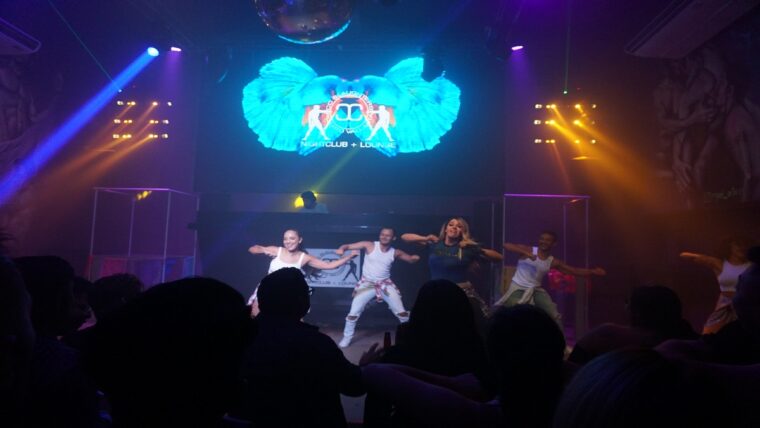
Large dance clubs in Puerto Vallarta are known for their high-capacity layouts, elevated DJ booths, and lighting production designed to support circuit-style nightlife experiences. These venues often feature open dance floors where visitors can socialize, dance, and move freely between bar service areas and designated lounge zones. The circuit-club atmosphere typically emphasizes continuous music sets, energetic crowd interaction, and visual production elements such as LED installations and stage platforms that enhance the overall nightlife environment.
During peak tourism seasons, dance clubs may host themed events, guest DJs, and special celebrations that attract international audiences familiar with global circuit party culture. The combination of late operating hours, immersive sound environments, and large-scale dance spaces contributes to Puerto Vallarta’s reputation as a destination where club-focused nightlife plays a significant role in the visitor experience.
Music programming plays a defining role in the atmosphere of gay dance clubs in Puerto Vallarta, with many venues focusing on internationally recognized electronic dance genres. Progressive house, tech house, circuit music, and commercial dance remixes are commonly featured, often delivered through extended DJ sets that build energy gradually throughout the night. Resident DJs help shape the identity of individual venues, while guest performers and touring artists contribute to seasonal nightlife excitement during peak travel periods.
Sound systems and lighting design are typically coordinated to create immersive dance environments that encourage sustained participation on the dance floor. Visitors familiar with nightlife destinations in North America and Europe often recognize similar musical trends and event formats, reinforcing Puerto Vallarta’s position within the global clubbing circuit. Music schedules and styles may vary by night, allowing travelers to explore different venues and discover distinct crowd dynamics during their stay.
Gay dance clubs in Puerto Vallarta typically reach peak energy levels late at night, with many venues becoming busiest after midnight and continuing into the early morning hours. Visitors often begin their evening with dinner, cabaret shows, or social bar stops before transitioning to larger dance environments as crowds build. This late-night rhythm reflects the broader nightlife culture of the destination, where multi-venue evenings and extended socializing are common.
During high season travel periods such as winter holidays, long weekends, and Pride celebrations, dance floors may fill earlier and remain active for longer durations. Understanding peak hours can help visitors plan entry times, avoid queues, and experience the most dynamic crowd atmosphere. Some clubs introduce staggered DJ lineups or themed programming to maintain momentum throughout the night, creating evolving music and energy levels that reward later arrivals.
Gay Cruise Bars & Adult Nightlife
Gay cruise bars represent another important component of the nightlife landscape in Puerto Vallarta, offering social environments that differ from traditional dance clubs and performance venues. These spaces often emphasize interaction-focused layouts, darker lighting design, and designated private areas intended for adult social experiences. While some venues operate with mixed entry policies, certain interior zones may be oriented toward male clientele, reflecting nightlife concepts found in other international destinations.
Visitors frequently include cruise-style venues as part of a late-night progression, moving from cocktail lounges or dance clubs into more discreet social environments as the evening advances. During peak travel seasons, cruise bars may experience increased attendance from international visitors familiar with similar nightlife formats in major urban centers. The presence of multiple venue styles within walking distance contributes to Puerto Vallarta’s reputation for offering diverse nightlife experiences that can be explored within a single evening.
Cruise-style venues in Puerto Vallarta are typically characterized by social layouts designed to encourage interaction, movement between spaces, and extended late-night visits. Unlike traditional dance clubs that focus primarily on large dance floors and stage production, cruise bars often incorporate multiple rooms, darker lighting environments, and quieter zones where conversation and social connection become part of the nightlife experience. Music remains an important background element, but the overall atmosphere is usually more fluid and exploratory.
Design features in these venues may include narrow corridors, lounge-style seating areas, themed décor elements, and designated private sections intended for adult clientele. Entry policies can vary by venue and may evolve over time as nightlife concepts develop or as seasonal visitor patterns change. For many travelers, cruise-style nightlife represents one segment of a broader evening itinerary that can also include cabaret performances, cocktail bars, and high-energy dance clubs within nearby walking distance.