Table of Contents
- 1 Jalisco Tourism Development Program 2030: What It Means for Puerto Vallarta LGBTQ+ Travelers
- 1.1 Introduction
- 1.2 What the Jalisco Tourism Development Program 2030 Entails
- 1.3 Strategic Infrastructure Investments
- 1.4 Enhancing Air Connectivity
- 1.5 Puerto Vallarta Cruise Expansion Aligns With Jalisco’s 2030 Tourism Vision
- 1.6 Promoting Puerto Vallarta as an LGBTQ+ Destination
- 1.7 Preserving Cultural Heritage
- 1.8 Sustainability and Eco-Tourism
- 1.9 Major Events
- 1.10 Tourism Growth Timeline
- 1.11 Supporting Local Communities
- 1.12 Conclusion
Jalisco Tourism Development Program 2030: What It Means for Puerto Vallarta LGBTQ+ Travelers
Introduction
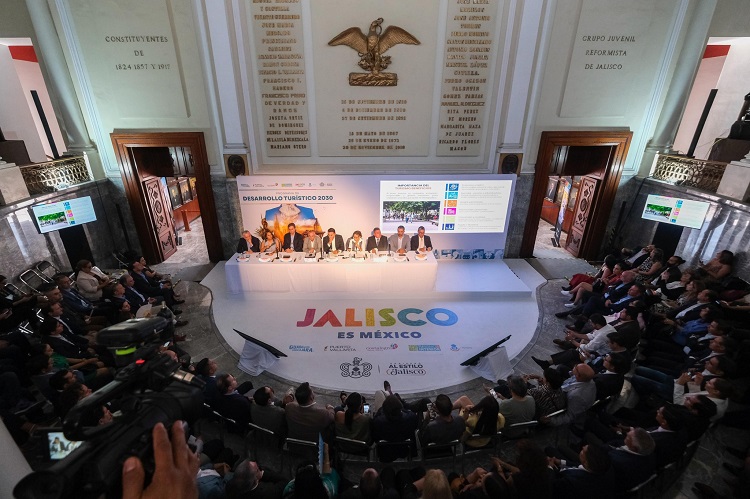
Jalisco Tourism Development Program 2030 Programa de Desarrollo y Promoción Turística 2030 was presented August 26, 2025 by Michell Fridman Hirsch the Secretary of Tourism for Jalisco. This forward-looking strategy sets the course for the state’s tourism future, with Puerto Vallarta playing a central role. For LGBTQ+ travelers, the Jalisco Tourism Development Program 2030 emphasizes inclusivity, sustainability, and major infrastructure investments, shaping a modern and welcoming tourism landscape for the coming decade.
Jalisco, a vibrant state in western Mexico, aims to become a leading global tourism destination by 2030. Its strategy focuses on expanding infrastructure, preserving cultural heritage, promoting sustainable tourism, and executing targeted marketing campaigns for both domestic and international audiences. With these initiatives, the state seeks to enhance visitor experiences while supporting local communities and ensuring long-term economic growth.
What the Jalisco Tourism Development Program 2030 Entails
The Jalisco Tourism Development Program 2030 is designed to strengthen Jalisco’s status as a world-class destination. Its objectives include expanding infrastructure, promoting inclusivity, supporting eco-tourism, preserving cultural heritage, and attracting international events. By working collaboratively with government agencies, business chambers, tourism service providers, and local communities, the program ensures that tourism growth benefits all stakeholders and positions Jalisco competitively on the global stage.
A major goal of the plan is to enhance Jalisco’s international visibility, making it a must-visit destination for both domestic and international travelers. Through strategic marketing campaigns, participation in global tourism fairs, and leveraging its existing attractions, the state aims to attract a diverse mix of tourists, including high-value visitors interested in luxury travel, eco-tourism, cultural experiences, and LGBTQ+ friendly destinations.
Strategic Infrastructure Investments
A cornerstone of the Jalisco Tourism Development Program 2030 is investment in hotels and tourism infrastructure. Between 2025 and 2028, the state plans to invest over $1 billion USD in the hotel sector alone, with the construction of 38 new hotels across major destinations including Puerto Vallarta, Guadalajara, and Costalegre. These developments will add nearly 4,600 rooms, enabling the state to accommodate the growing demand from tourists.
In Puerto Vallarta specifically, Hyatt is investing $295 million USD in three new hotels. These additions are expected to expand the city’s luxury accommodations while supporting the vibrant LGBTQ+ tourism market. By 2030, the total hotel capacity in Jalisco is expected to exceed 90,000 rooms, ensuring ample space for international travelers and large-scale events.
Beyond hotels, investments also target transportation infrastructure, road networks, and public amenities, ensuring that visitors experience seamless travel throughout the state. This holistic approach to infrastructure positions Puerto Vallarta as a modern, accessible, and highly desirable destination for a variety of travelers.
Enhancing Air Connectivity
To complement hotel investments, the Jalisco Tourism Development Program 2030 places significant emphasis on air transportation improvements. The Licenciado Gustavo Díaz Ordaz International Airport in Puerto Vallarta is undergoing major expansions to handle increasing passenger volumes, both domestic and international. These upgrades include additional gates, expanded terminals, and improved logistics for international arrivals.
The Costalegre International Airport, set to open in 2026, will provide direct access to southern coastal regions, enhancing connectivity for travelers seeking luxury resorts, eco-tourism adventures, and cultural experiences along Jalisco’s coastline. Additionally, the Guadalajara International Airport is expanding its capacity to accommodate the influx of international tourists, particularly in preparation for the 2026 FIFA World Cup.
Improved air connectivity ensures that Puerto Vallarta can maintain its status as a leading LGBTQ+ travel hub, offering visitors convenient access to gay-friendly hotels, nightlife, beaches, and cultural experiences.
Puerto Vallarta Cruise Expansion Aligns With Jalisco’s 2030 Tourism Vision
As part of Puerto Vallarta’s broader transformation into a globally competitive tourism destination, ongoing discussions surrounding cruise port expansion, home-port development, and enhanced maritime infrastructure closely align with the long-term objectives outlined in the Jalisco Tourism Development Program 2030. While the state program does not formally announce the cruise terminal project itself, its focus on international connectivity, infrastructure modernization, and high-value tourism investment directly supports the strategic direction of Puerto Vallarta’s evolving cruise industry.
Puerto Vallarta has already established itself as one of Mexico’s leading Pacific cruise destinations, welcoming hundreds of thousands of passengers annually and generating significant economic impact for local hotels, restaurants, transportation providers, nightlife venues, tour operators, and small businesses. Recent infrastructure discussions led by ASIPONA Puerto Vallarta have included plans to expand docking capabilities for larger next-generation cruise ships, improve terminal logistics, and position the city for potential home-port operations in the future.
The proposed expansion of Muelle 1 and related port infrastructure could eventually allow Puerto Vallarta to accommodate some of the world’s largest modern cruise ships, including newer mega-vessels increasingly entering global cruise markets. Industry leaders have repeatedly emphasized that improved maritime infrastructure would strengthen Puerto Vallarta’s competitiveness within the Mexican Pacific while increasing the city’s attractiveness to international cruise operators and long-term tourism investment.
The concept of Puerto Vallarta evolving beyond a traditional port-of-call destination toward partial home-port functionality could also create broader economic benefits aligned with Jalisco’s tourism goals. Unlike standard cruise stopovers, home-port operations typically generate longer hotel stays, increased airline traffic, expanded transportation demand, and higher visitor spending before and after cruises. These ripple effects support the state’s wider objectives surrounding tourism growth, infrastructure development, and international market expansion through 2030.
Cruise industry expansion also complements Puerto Vallarta’s ongoing airport improvements, hotel investments, and international tourism positioning efforts already underway across the region. Together, these interconnected infrastructure projects reinforce Puerto Vallarta’s role as one of Latin America’s most important coastal tourism destinations and support its continued growth as a welcoming destination for LGBTQ+ travelers, luxury visitors, and international tourism markets alike.
Related Cruise Infrastructure Coverage
Promoting Puerto Vallarta as an LGBTQ+ Destination
Puerto Vallarta’s reputation as a world-class LGBTQ+ destination is a strategic focus within the 2030 tourism plan. The city has long been known for its inclusive environment, thriving nightlife, and welcoming beach communities. The plan formalizes this leadership with specific policies and initiatives designed to attract LGBTQ+ travelers.
The Distintivo I (Badge I) certification program recognizes tourism businesses that demonstrate a strong commitment to non-discrimination and inclusive practices. Hotels, restaurants, bars, and tour operators that meet the criteria receive official recognition, reinforcing Puerto Vallarta’s reputation as a safe and welcoming destination.
Additionally, the Municipal Development Plan for 2024–2027 incorporates policies to protect LGBTQ+ rights and prevent discrimination based on sexual orientation or gender identity. These measures were developed with input from local advocacy groups and are designed to create a more formal, structured approach to inclusion.
Economically, the LGBTQ+ community is a vital contributor to Puerto Vallarta’s tourism sector, accounting for approximately 40% of tourism spending. By formalizing inclusion policies, the city aims to maintain and grow this market while enhancing its global standing.
Preserving Cultural Heritage
Jalisco’s rich cultural heritage is another key element in the Jalisco Tourism Development Program 2030. The state is committed to promoting Pueblos Mágicos (Magical Towns) such as Tequila and Tlaquepaque, which offer historical architecture, artisanal crafts, and unique cultural traditions.
Infrastructure improvements in these towns aim to enhance visitor access and comfort while preserving authenticity. Supporting local artisans through tourism initiatives provides sustainable income opportunities for small businesses, contributing to the overall economic health of the region.
For LGBTQ+ travelers, these cultural experiences can be integrated into tours that also highlight gay-friendly accommodations, dining, and entertainment, offering a well-rounded, inclusive travel experience.
Sustainability and Eco-Tourism
Eco-tourism is central to Jalisco’s vision for sustainable growth. Initiatives in Puerto Vallarta and surrounding areas focus on protecting natural resources while providing meaningful visitor experiences.
Key projects include:
-
El Jorullo Bridge Expansion: Enhancing safe access to adventure tourism and eco-travel destinations.
-
Marietas Islands Routes: Guided eco-tours with controlled access to protect marine ecosystems and landmarks like Playa del Amor.
-
Sustainable Coastal Tourism: Costalegre beaches are being developed with eco-friendly practices, aiming for Blue Flag certification to promote responsible tourism.
-
Inclusive Eco-Tours: Whale watching, turtle conservation, hiking in the Sierra Madre, and volunteer tourism programs combine sustainability with LGBTQ+ friendly travel experiences.
These initiatives ensure Puerto Vallarta remains an attractive destination for eco-conscious travelers, offering experiences that respect the environment without compromising enjoyment or inclusivity.
Major Events
The 2026 FIFA World Cup provides an exceptional opportunity to showcase Jalisco and Puerto Vallarta on the global stage. Guadalajara will serve as a host city, drawing international visitors who may also explore Puerto Vallarta.
The state has strategically timed the opening of 12 new hotels before the tournament, ensuring sufficient accommodations for the influx of visitors. International marketing campaigns will highlight Puerto Vallarta’s inclusive hotels, gay beach clubs, nightlife, and cultural tours, reinforcing its global image as an LGBTQ+ tourism hub.
This major event is expected to generate significant economic benefits, creating jobs across hospitality, transportation, entertainment, and tourism services while promoting Jalisco as a safe and reliable travel destination.
Tourism Growth Timeline
-
1960s–70s: Puerto Vallarta gains international recognition following the filming of The Night of the Iguana, establishing itself as a travel destination.
-
1990s–2000s: Expansion of boutique hotels, cruise arrivals, and nightlife helps develop the LGBTQ+ tourism market.
-
2010s: Establishment of Pride Week, Bear Week, and cabaret entertainment solidifies the city’s global gay identity.
-
2020–2022: Tourism remains resilient despite global challenges, maintaining Puerto Vallarta’s reputation as a welcoming destination.
-
2024–2026: Hotel expansions by Hyatt and other chains prepare for the 2026 FIFA World Cup, reinforcing the city’s global appeal.
-
2025: Launch of Jalisco’s Tourism Development Program 2030 formalizes strategic plans for infrastructure, sustainability, and inclusion.
-
2028–2030: Completion of new hotels and continued growth in LGBTQ+ tourism, eco-tourism, and cultural initiatives.
Supporting Local Communities
The Jalisco Tourism Development Program 2030 emphasizes inclusive growth that benefits local residents. Infrastructure expansion and tourism initiatives create jobs in hospitality, construction, transportation, and eco-tourism. Cultural programs provide income for artisans, farmers, and small business owners, ensuring that economic benefits are widely shared.
Sustainability efforts also protect the state’s natural resources, balancing tourism growth with environmental stewardship and community well-being.
Conclusion
The Tourism Development and Promotion Program 2030 positions Puerto Vallarta and Jalisco as leaders in inclusive, sustainable, and high-quality tourism. With major hotel investments, airport expansions, eco-tourism initiatives, and formal LGBTQ+ protections, Puerto Vallarta is prepared to welcome travelers from around the world.
This decade-long strategy ensures that Puerto Vallarta remains vibrant, welcoming, and environmentally conscious, making it one of the most desirable destinations for LGBTQ+ travelers in Latin America.
Photo credit Fidetur Puerto Vallarta.
For more Puerto Vallarta travel news and updates related to Jalisco Tourism Development Program 2030 LGBTQ travelers visit the GAYPV website here.